

Top organic clothing materials: essential guide 2026
TL;DR:
- Genuine organic clothing requires certifications like GOTS, covering fiber and social standards.
- Organic fibers vary in environmental impact, with hemp and linen being highly sustainable options.
- Longevity and responsible choices often outweigh certifications in overall sustainable fashion impact.
Choosing sustainable clothing sounds straightforward until you’re standing in a store holding a tag that says “made with organic materials” and wondering what that actually means. The organic fashion space is full of well-intentioned labels, overlapping certifications, and fibers that range from genuinely low-impact to surprisingly resource-heavy. Knowing the difference between organic cotton, hemp, lyocell, and recycled alternatives is not just trivia. It shapes real environmental outcomes. This guide breaks down the most important organic clothing materials, what makes each one worth considering, and how to cut through the noise when building a wardrobe that reflects your values.
Table of Contents
- How to assess truly organic clothing materials
- The essential list of certified organic clothing materials
- Comparing organic fibers: Environmental, performance, and ethical impact
- Additional sustainable options: Recycled and alternative fibers
- Our take: What really matters when choosing organic clothing materials
- Find your next sustainable favorite at M23
- Frequently asked questions
Key Takeaways
| Point | Details |
|---|---|
| Check for certifications | Look for GOTS and other reliable labels to ensure true organic content and ethical standards. |
| Material choice matters | Organic cotton, hemp, linen, wool, and Lyocell each offer unique sustainability benefits. |
| Balance impact and use | No fabric is perfect—consider your priorities, durability, and how long you’ll use the item. |
| Consider recycled fibers | Recycled materials can reduce environmental footprint and offer new wardrobe options. |
How to assess truly organic clothing materials
Before diving into the specific materials, it’s essential to understand what makes a fabric genuinely organic and sustainable. The word “organic” on a clothing label does not carry a universal legal definition the way it does for food in most countries. That gap creates room for confusion and, sometimes, misleading marketing.
The most reliable benchmark in the textile industry is the Global Organic Textile Standard, known as GOTS. This certification covers the full supply chain, from farm to finished garment. GOTS requires ≥95% certified organic fibers for a product to carry the “Organic” label, while at least 70% is needed for the “Made with Organic” designation. It also bans toxic chemicals and requires social criteria like fair wages and safe working conditions.
But certification is only one piece of the picture. A truly sustainable fabric also depends on:
- Water use: Some organic fibers require far less irrigation than others
- Chemical inputs: Organic farming avoids synthetic pesticides and fertilizers, but processing can still involve harmful substances
- Social standards: Who made it, under what conditions, and where
- Regional production: Shipping fibers across continents adds a carbon footprint that certification alone does not address
“Organic” does not mean perfect. It means better, in specific, measurable ways. Your job as a consumer is to decide which trade-offs align with your priorities.
Understanding ethical apparel principles alongside material choices gives you a fuller picture. And if you want to go deeper on what makes fashion ethical, the answer always involves more than just the fiber itself.
The essential list of certified organic clothing materials
With quality criteria in mind, here is the essential list of leading organic clothing materials and what sets each apart.
Organic cotton is the most widely available certified option. Grown without synthetic pesticides or fertilizers, it reduces chemical runoff and supports healthier soil ecosystems. It is soft, breathable, and works well for everyday basics, children’s wear, and sensitive skin. The catch is water use, which remains significant even in organic farming.
Organic linen, made from flax, is one of the oldest fibers in human history. Flax requires minimal water, no pesticides, and is typically rain-fed in European growing regions. It is highly durable, biodegradable, and gets softer with every wash. It is an excellent choice for warm-weather clothing and home textiles.
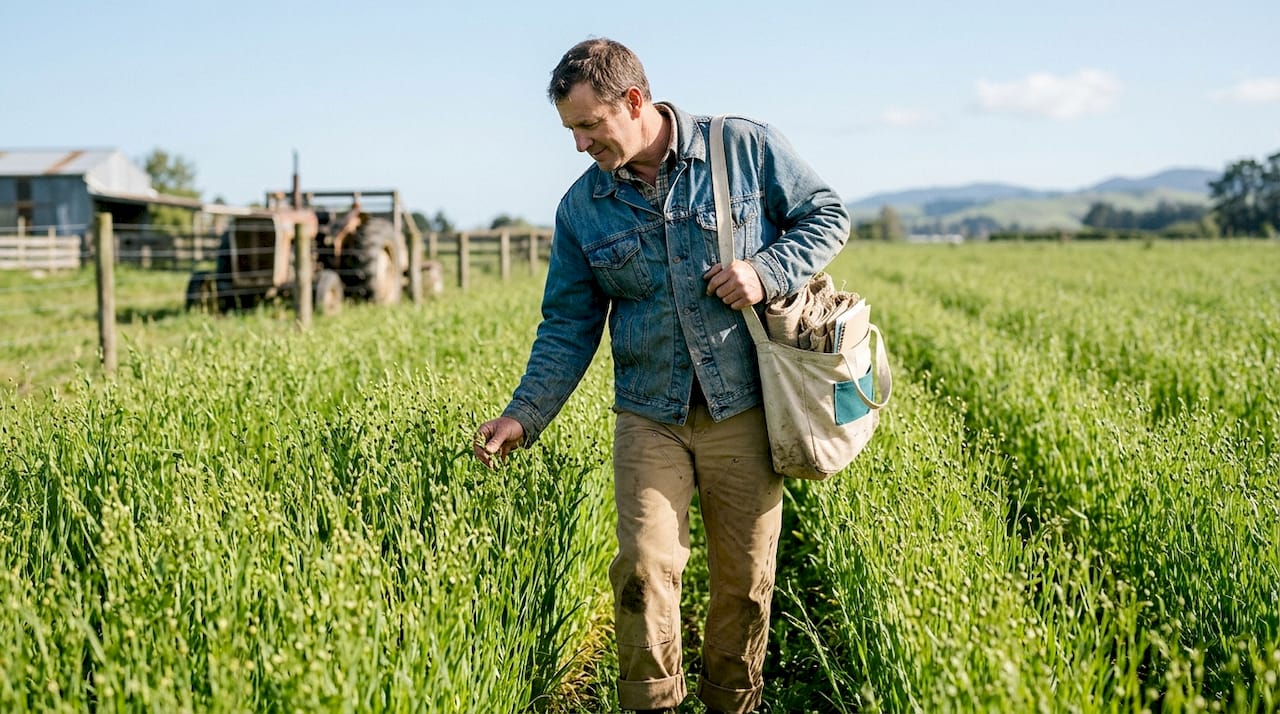
Organic hemp is arguably the most regenerative option on this list. Hemp grows quickly with low water inputs, sequesters carbon, improves soil health through phytoremediation (a process where plants remove contaminants from soil), and produces naturally antibacterial, UV-resistant fabric. It is ideal for outerwear, workwear, and durable basics.
TENCEL Lyocell comes from sustainably sourced wood pulp, often eucalyptus. Its closed-loop production recovers 99% of solvents used in processing, making it far cleaner than conventional viscose. It is soft, moisture-wicking, and biodegradable. Do not confuse it with bamboo viscose, which uses a similar plant source but a much more chemical-intensive process.
Organic wool is warm, durable, and naturally biodegradable. However, sheep farming carries high methane emissions, and conventional wool production often involves harsh mulesing practices. Look for the Responsible Wool Standard (RWS) certification alongside GOTS when choosing wool.
Pro Tip: When shopping for lyocell, check that the label says “TENCEL” or specifies closed-loop processing. Generic “lyocell” or “bamboo fabric” without certification may not meet the same environmental standards.
Exploring a solid guide to green textiles can help you spot the difference, and understanding organic apparel benefits makes the case for why these choices matter beyond just the label.
Comparing organic fibers: Environmental, performance, and ethical impact
To help you quickly compare the real-world differences between these organic fibers, let’s put them side by side.
| Fiber | Water use | Chemical input | Durability | Key certification |
|---|---|---|---|---|
| Organic cotton | Moderate | Very low | Medium | GOTS |
| Organic linen | Very low | None | High | GOTS, OEKO-TEX |
| Organic hemp | Very low | None | Very high | GOTS |
| TENCEL Lyocell | Low | Closed-loop | Medium-high | OEKO-TEX, FSC |
| Organic wool | Low | Low | Very high | GOTS, RWS |
The numbers behind organic cotton are striking. Compared to conventional cotton, organic cotton uses 91% less water and produces 45% fewer CO2 emissions per hectare. Nitrogen emissions from fields remain a key driver in lifecycle assessments, which is why soil management practices matter even within organic farming.
Performance matters too, not just planet impact. Hemp and linen outlast cotton in raw durability. Wool regulates temperature better than almost any other fiber. Lyocell drapes beautifully and resists odor, making it a practical choice for travel and layering.
Ethical considerations add another layer. GOTS covers social standards throughout the supply chain, while certifications like the Responsible Wool Standard focus specifically on animal welfare. Regional production also plays a role. A linen shirt grown and woven in Europe has a very different footprint than one assembled across three continents.
For a deeper look at how these materials break down after use, the biodegradable fabrics guide is worth reading. And if you are building an active wardrobe, sustainable sportswear choices add useful context on performance fibers.
Additional sustainable options: Recycled and alternative fibers
Beyond core organics, the industry is innovating with recycled and alternative fibers, each with unique strengths and pitfalls.
Recycled cotton is made from post-consumer or post-industrial textile waste. It reduces virgin fiber demand and keeps material out of landfills, but the recycling process can shorten fiber length, which often requires blending with virgin cotton or synthetic fibers to maintain fabric integrity. Environmental impact varies depending on the energy used in recycling.
Recycled polyester (rPET) is made from plastic bottles or textile waste. It reduces reliance on virgin petroleum-based materials, but it still sheds microplastics during washing. It works well in performance wear and outerwear where durability and water resistance matter.
Bamboo lyocell (not bamboo viscose) is a cleaner alternative when processed using closed-loop methods. The challenge is that most bamboo fabric on the market is viscose-processed, which involves harsh chemicals and does not qualify as a sustainable option despite bamboo’s fast-growing reputation.
Here is a quick reference for recycled and alternative fibers:
| Fiber | Recycled content | Common blends | Watch out for |
|---|---|---|---|
| Recycled cotton | Post-consumer/industrial | Virgin cotton, rPET | Shorter fiber length |
| rPET | Plastic bottles/textiles | Organic cotton, hemp | Microplastic shedding |
| Bamboo lyocell | N/A | Cotton, linen | Greenwashing risk |
Pro Tip: When a brand claims “bamboo fabric” without specifying the processing method, ask. If it says viscose or rayon, it is not the closed-loop, low-impact option you may be imagining.
Combining recycled and organic materials in your wardrobe is a practical strategy. A recycled nylon jacket paired with an organic cotton base layer covers more sustainability ground than either alone. For more on making eco-friendly clothing choices that hold up over time, context always helps. A broader sustainable fabrics overview can fill in the gaps on emerging options.
Our take: What really matters when choosing organic clothing materials
Here is something most material guides will not tell you: the greenest garment is the one you already own and keep wearing. Certification matters. Fiber choice matters. But the single biggest lever in sustainable fashion is longevity, not label.
We have seen consumers swap out their entire wardrobe for certified organic pieces and end up with a larger footprint than someone who buys less, cares well, and holds onto clothes for a decade. The math is uncomfortable but real.
That said, when you do buy, prioritize GOTS certification because it covers the whole chain, not just the field. Be open to blends. A 70% organic cotton and 30% recycled polyester blend in a durable jacket may outperform a 100% organic cotton version that wears out in two seasons. Local or regional production can sometimes offset a less-than-perfect fiber choice.
The real benefits of organic apparel show up over time, in soil health, in reduced chemical exposure, and in the communities behind the supply chain. Choose thoughtfully, buy less, and make it last.
Find your next sustainable favorite at M23
Ready to put knowledge into action? At M23, we curate clothing made from certified organic and recycled materials, produced under fair conditions in Berlin and Poland. Every piece is chosen with the full supply chain in mind, not just the fiber on the label.

Browse our women’s, men’s, and children’s collections to find pieces built for longevity and made with materials you can trust. Whether you are looking for GOTS-certified organic cotton basics or responsibly sourced outerwear, our organic clothing selections are a practical starting point for building a wardrobe that reflects what you actually care about. Join a growing community of shoppers making real choices, one garment at a time.
Frequently asked questions
What are the most eco-friendly organic clothing materials?
The most eco-friendly options include organic cotton, linen, hemp, responsibly sourced wool, and TENCEL Lyocell, each with distinct environmental strengths depending on water use, soil impact, and processing methods.
How can I tell if a fabric is genuinely organic?
Look for GOTS certification, which requires ≥95% certified organic fibers and covers chemical restrictions, processing standards, and social responsibility throughout the supply chain.
Is recycled cotton better than organic cotton?
Recycled cotton reduces virgin fiber demand and textile waste, but may require blending due to shorter fiber length, and its environmental impact depends on the energy used in the recycling process.
Are bamboo fabrics truly organic and sustainable?
Most bamboo fabrics use viscose processing, which is chemical-intensive and high-impact. Look for bamboo lyocell made through closed-loop methods or certified sources for a genuinely lower-impact option.
Which certifications should I look for in organic clothing?
GOTS is the most recognized standard, verifying both organic fiber content and responsible manufacturing practices across the entire supply chain, from farm to finished garment.