

What Is Vegan Fashion? A Guide for Ethical Shoppers
TL;DR:
- Vegan fashion involves excluding all animal-derived materials, such as leather, wool, silk, and adhesives, from clothing and accessories. It is not automatically sustainable, as many vegan materials are plastic-based and harm the environment over their lifecycle. To trust vegan products, consumers should verify certifications, read labels carefully, and prioritize durability and transparency in brand practices.
Most people hear “vegan fashion” and think: no fur, no leather. That’s the beginning of the story, not the whole thing. What is vegan fashion, really? It’s a commitment to eliminating every animal-derived material from your wardrobe, including wool, silk, down, and even the glue holding your shoes together. The vegan consumer market is growing fast, and fashion is one of the most complex categories within it. This guide unpacks the real definition, the materials involved, how to spot authentic products, and why vegan and sustainable are not the same thing.
Table of Contents
- Key Takeaways
- What vegan fashion actually means
- Materials used in vegan clothing options
- How to identify vegan fashion options you can trust
- Vegan vs. sustainable: understanding the nuance
- My honest take on where vegan fashion stands
- Start building your vegan wardrobe the right way
- FAQ
Key Takeaways
| Point | Details |
|---|---|
| Vegan fashion goes beyond leather | It excludes all animal-derived materials including wool, silk, down, and animal-based adhesives. |
| Vegan does not mean sustainable | Plastic-based vegan materials can cause serious environmental harm over their lifecycle. |
| Certifications matter but require verification | Look for GOTS or GRS certified products, and always request Transaction Certificates for confirmation. |
| Hidden animal ingredients are common | Buttons, linings, and glues often contain animal products even in otherwise vegan garments. |
| Prioritize quality and transparency | Buying fewer, longer-lasting pieces from honest brands is better for both ethics and the planet. |
What vegan fashion actually means
At its core, vegan fashion excludes all animal-derived materials, including leather, wool, silk, fur, down, and animal-based adhesives or dyes. That last category surprises most shoppers. Many garments that appear animal-free still use glues made from animal bones or dyes derived from insects like cochineal. The Vegan Society’s trademark appears on over 70,000 products worldwide, which tells you how seriously this standard is taken by compliant brands.
“Veganism is a philosophy and way of living which seeks to exclude, as far as is possible and practicable, all forms of exploitation of, and cruelty to, animals.” — The Vegan Society
Understanding what is cruelty-free fashion helps clarify the distinction. Cruelty-free typically refers to products not tested on animals. Vegan fashion goes further: it requires that no animal product or byproduct was used in making the item at all. And sustainable fashion is a different category again. It focuses on environmental impact, carbon footprint, and supply chain labor practices. A jacket can be vegan without being sustainable. A sustainable brand can still use wool or silk.
The common animal-derived materials to watch for include:
- Leather (including suede, nubuck, and patent leather)
- Wool, cashmere, angora, and mohair
- Silk (produced by silkworms)
- Fur and down feathers
- Pearl and mother-of-pearl buttons
- Animal-based adhesives used in shoe construction
- Insect-derived dyes such as cochineal red
Knowing this list changes how you shop. You stop looking just at the fabric and start reading every component of the product.
Materials used in vegan clothing options
The world of vegan clothing options ranges from promising to problematic, depending on what replaces animal fibers.
| Material Type | Examples | Environmental Concern |
|---|---|---|
| Plastic-based vegan leather | Polyurethane (PU), PVC | Microplastic shedding, low biodegradability |
| Plant-based leather alternatives | Cactus, mushroom mycelium, apple waste | Often mixed with plastics; requires industrial composting |
| Conventional vegan textiles | Organic cotton, linen, recycled polyester | Better than PVC but still water and energy intensive |
| Emerging bio-based fibers | Algae fiber, hemp, Tencel | Lower impact but limited at scale |
Plastic-based vegan leather, the kind made from polyurethane or PVC, dominates the market right now. It’s inexpensive and widely available. The problem is that it sheds plastic microfibers during use and washing, and those particles persist in ecosystems for centuries. Calling it “eco-friendly” because it skips animal hides is a stretch, at best.
Innovative materials like cactus leather, mushroom mycelium, and algae fibers are genuinely exciting. Brands like Desserto (cactus) and Bolt Threads (mycelium) have created materials that look and feel like leather without the hides. The catch? Many of these products still incorporate plastic binders to achieve durability, which complicates their biodegradability claims. A label reading “100% biodegradable” rarely tells the full story.
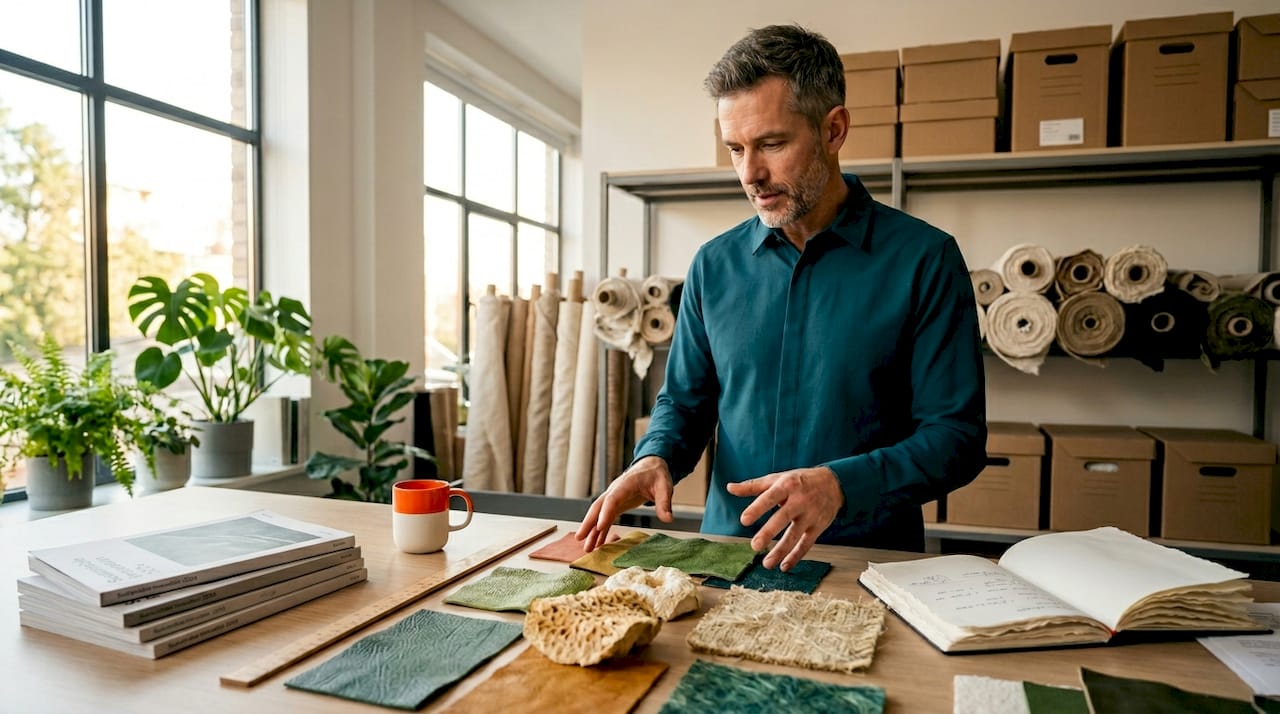
Pro Tip: When evaluating sustainable fashion materials, ask the brand directly what percentage of the material is plant-based versus plastic-based. An honest answer is itself a green flag.
Plant-based alternatives also face a durability challenge. Current plant-based vegan leathers often wear faster than traditional leather, which means more frequent replacement and, ultimately, more waste. For shoppers committed to both animal welfare and the environment, this creates a real tension that no single material has resolved yet.
How to identify vegan fashion options you can trust
Learning how to identify vegan fashion options protects you from wasting money on products that don’t match your values. It also protects you from greenwashing, which is when brands use vague or misleading terms to appear more ethical than they are.
Here’s a practical process to follow before you buy:
- Read the full material composition label. Look beyond the outer fabric. Lining, interfacing, buttons, zippers, and adhesives all have the potential to contain animal products.
- Watch for hidden animal ingredients. Labels frequently omit animal-based glues, dyes, and trims, so reaching out to the brand directly is sometimes the only way to confirm.
- Look for recognized certifications. GOTS certification requires at least 70% organic fiber and covers the entire supply chain. GRS (Global Recycled Standard) requires at least 20% recycled fiber content with full auditing.
- Request Transaction Certificates. A brand can display a certification logo without actually having a valid chain-of-custody. Valid Transaction Certificates confirm that certified materials actually made it into the final product.
- Assess the brand’s transparency. Do they publish a supplier list? Do they explain their materials honestly, including any limitations? Brands that share their challenges openly are far more trustworthy than those with only polished marketing copy.
Pro Tip: Search the brand name in the GOTS public database at global-standard.org and verify their certificate number and scope yourself. It takes two minutes and confirms whether the claim is real.
Greenwashing red flags to watch for include terms like “eco-conscious,” “nature-inspired,” “green collection,” or “eco-friendly” without any supporting certification or specific data. Legal regulation of green labels remains weak, which means brands can use these terms with little accountability. Your skepticism is a feature, not a problem. For a deeper look at how to evaluate these claims, M23’s guide on ethical fashion principles is worth reading.
Vegan vs. sustainable: understanding the nuance
This is where a lot of well-intentioned shoppers get stuck. Vegan and sustainable are not interchangeable, and treating them as the same leads to purchasing decisions that serve neither goal well.
Vegan means absence of animal products; sustainable relates to environmental lifecycle impact. A polyurethane vegan bag ticks the animal-welfare box while failing badly on environmental grounds. A wool sweater from a certified regenerative farm might have a lower carbon footprint than a synthetic fleece, even though the wool is an animal product.
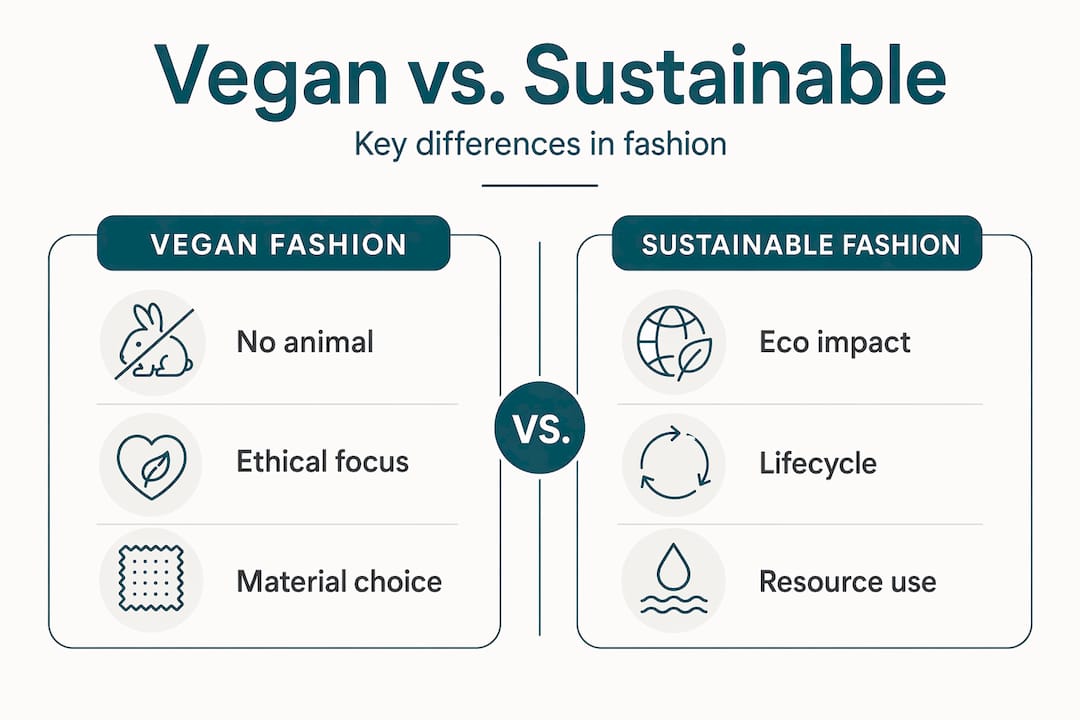
Consider the durability factor. A pair of well-made leather boots worn for 15 years produces far less total waste than three rounds of plastic-based alternatives that each last five years. Durability and reuse can offset the environmental cost of producing new garments, vegan or not. This is not an argument against vegan fashion. It’s a case for choosing the most durable, highest-quality vegan options available, not the cheapest.
Experts make the case clearly:
“Buying less and prioritizing longevity is often more environmentally responsible than switching material for material.” — Unsustainable Magazine
The most thoughtful approach blends both frameworks. Ask yourself two questions before every purchase: Does this product avoid animal exploitation? And is this product built to last? If the answer to both is yes, you’re making a purchase aligned with your values. For guidance on building that kind of wardrobe, shopping vegan clothing smartly starts with understanding the full impact of your choices.
Key questions to guide a balanced vegan and sustainable purchase:
- How long will this item realistically last?
- What happens to it at end of life? Can it be recycled or composted?
- Is the brand transparent about both animal welfare and environmental impact?
- Does buying this support a genuinely better production model, or just better marketing?
My honest take on where vegan fashion stands
I find vegan fashion genuinely compelling as a moral stance. The idea that your clothing shouldn’t require animal suffering is clear, principled, and defensible. What I’ve struggled with, working in this space, is how much complexity hides behind clean marketing language.
What I’ve learned is that the brands worth trusting are rarely the ones shouting the loudest about their ethics. They’re the ones willing to say, “Here’s what we’ve figured out, and here’s what we’re still working on.” Transparency from brands about their limitations builds more real trust than polished sustainability reports with no hard numbers.
My practical advice: prioritize durability above all else. A beautifully made vegan linen jacket that you wear for a decade does more good than five trendy pieces that wear out in a season. Plant-based material innovations genuinely excite me, but I stay cautious about anything claiming to be “revolutionary” before it’s been on the market long enough for real-world durability testing.
The future of vegan fashion is real and worth investing in. Get there by supporting honest brands, asking hard questions, and buying less.
— M23
Start building your vegan wardrobe the right way

If this guide has made the path clearer, the next step is finding vegan wardrobe essentials you can actually trust. At M23, every piece is made with transparency at the center: certified organic and recycled materials, fair production in Berlin and Poland, and honest communication about what goes into each garment. You won’t find vague “green collection” labels here. Browse the M23 shop to explore clothing made for people who want their values reflected in every thread. For more on how to choose vegan fashion that holds up over time, the M23 certifications guide explains exactly what to look for.
FAQ
What is vegan fashion in simple terms?
Vegan fashion means clothing, shoes, and accessories made without any animal-derived materials, including leather, wool, silk, fur, down, and animal-based dyes or adhesives.
How is vegan fashion different from sustainable fashion?
Vegan fashion focuses on animal welfare and the exclusion of animal products, while sustainable fashion addresses environmental impact across a product’s full lifecycle. The two goals overlap but are not the same.
What hidden ingredients make clothing non-vegan?
Common hidden animal ingredients include bone-based glues in shoe soles, cochineal red dyes, and mother-of-pearl or horn buttons. Always check full material disclosures before purchasing.
How do I verify a brand’s vegan or organic claims?
Look for GOTS or GRS certifications and verify the brand’s certificate number directly in the public certification database. Request Transaction Certificates to confirm the certified materials reached the final product.
Is vegan leather actually eco-friendly?
Not always. Most vegan leather is plastic-based and sheds microfibers that persist in the environment for centuries. Newer plant-based alternatives are promising but often still contain plastic binders that complicate biodegradability claims.