

Why Invest in Quality Apparel: Save Money and the Planet
TL;DR:
- Investing in high-quality, durable clothing offers better cost-per-wear and environmental benefits compared to fast fashion. Proper construction, organic materials, and certifications ensure garments last longer, reducing waste and resource use. Choosing ethical brands with repair programs and responsible sourcing supports social impact and sustainability goals.
Most people assume buying cheap clothing saves money. The math tells a different story. When you understand why invest in quality apparel, the economics flip fast. A $30 fast fashion jacket worn a dozen times before falling apart costs far more per use than a well-made organic cotton piece that goes strong for years. Add the environmental damage, the ethical questions around how garments are produced, and the growing regulatory pressure on disposable fashion, and the case for quality becomes impossible to ignore. This guide covers durability, real cost savings, sustainability, and how to shop smarter.
Table of Contents
- Key Takeaways
- Why invest in quality apparel: durability and real cost savings
- The sustainability case for quality clothing
- The ethical and social impact of your clothing choices
- How to identify and care for quality apparel
- My honest take on investing in quality apparel
- Find quality apparel that lasts at M23
- FAQ
Key Takeaways
| Point | Details |
|---|---|
| Cost-per-wear wins | A quality garment worn 200 times costs a fraction per wear compared to cheap alternatives worn just 15 times. |
| Sustainable materials last longer | Organic cotton and recycled fibers hold up significantly better than conventional fast fashion fabrics. |
| Quality supports ethical labor | Brands producing durable apparel typically pay fair wages and maintain transparent supply chains. |
| Proper care multiplies value | How you wash and store quality garments directly extends their lifespan and preserves their appearance. |
| Regulations are shifting costs | New Extended Producer Responsibility laws make cheap, non-recyclable garments more expensive to produce and discard. |
Why invest in quality apparel: durability and real cost savings
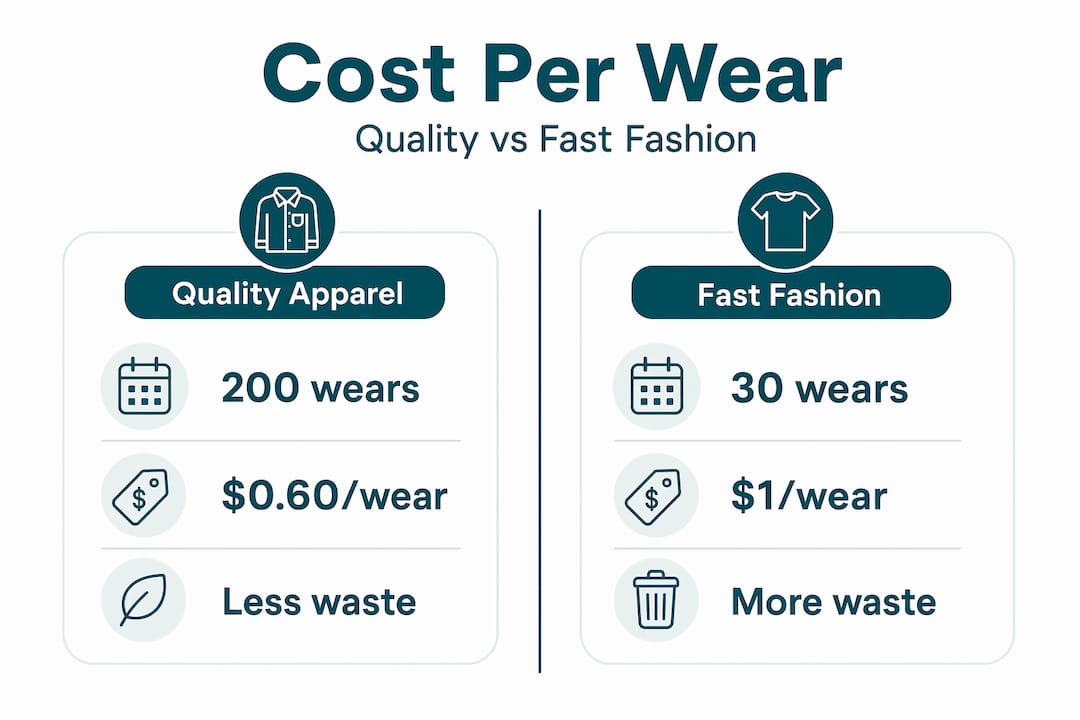
The number that changes everything is cost-per-wear. It is simple math: divide what you paid by how many times you actually wear the item. Sustainable garments last 50 to 120 wears, while fast fashion items typically survive just 7 to 15 wears before they are tossed. Fast fashion items are discarded within 2.2 years on average, while quality pieces stay in use for over five years.
The numbers get specific fast. A $120 organic cotton jacket worn 200 times comes out to $0.60 per wear. A $30 fast fashion jacket worn 15 times costs $2.00 per wear. You spend four times less per actual use by choosing the more expensive piece upfront. That is the economic case for investing in apparel, and it holds across nearly every category from denim to outerwear.
What makes a garment actually durable
Material matters, but construction matters just as much. Organic cotton resists pilling and maintains shape through repeated washing. Recycled polyester and nylon hold structural integrity under stress better than virgin synthetic blends used in budget garments. But you cannot judge construction from the outside of a garment alone.
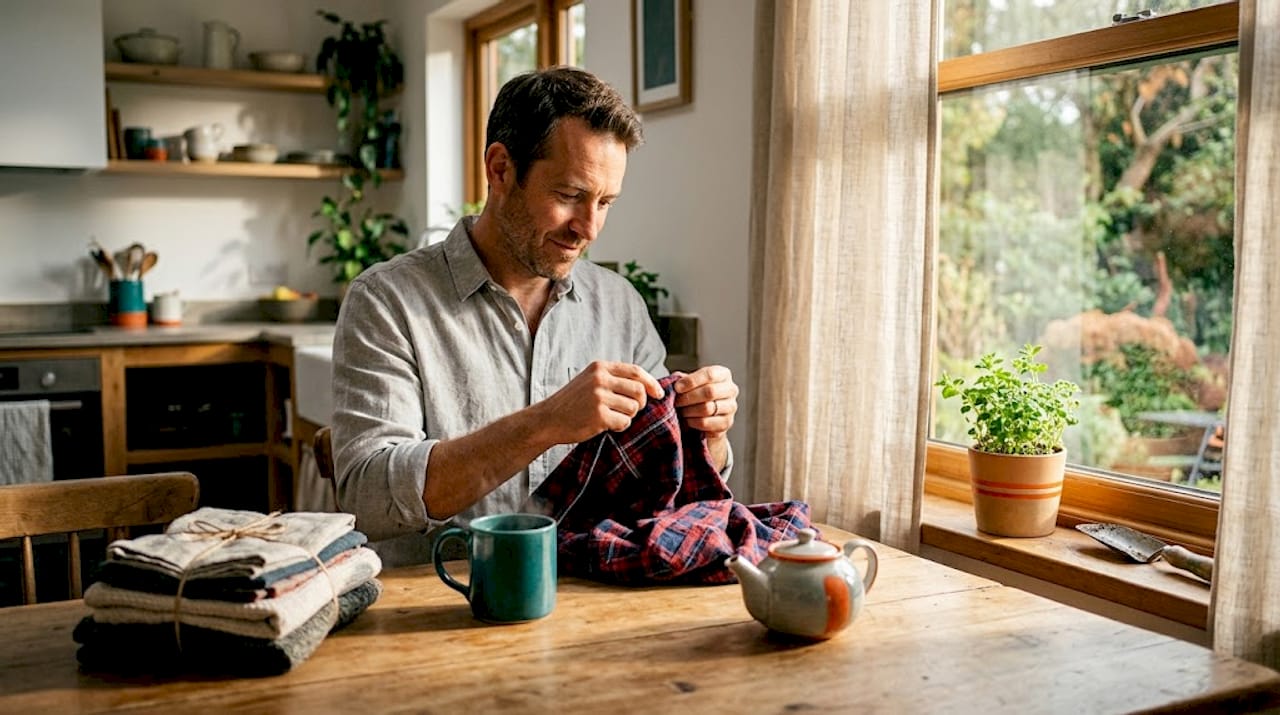
Interior finishing is a reliable quality test that most shoppers skip. Turn the garment inside out and look at the seams. Straight, consistent stitching with no loose threads signals solid craftsmanship. Uneven seams, fraying edges, or visible glue lines tell you the piece will not survive many wash cycles.
Pro Tip: Check where the pattern meets at seams, particularly on plaid or striped fabrics. Misaligned patterns at seam junctions are a fast sign of cut corners in production.
| Garment type | Fast fashion lifespan | Quality apparel lifespan | Cost-per-wear advantage |
|---|---|---|---|
| T-shirt | 10 to 20 wears | 80 to 150 wears | Up to 8x lower per wear |
| Denim jeans | 15 to 30 wears | 100 to 200 wears | Up to 6x lower per wear |
| Outerwear jacket | 10 to 20 wears | 150 to 300 wears | Up to 10x lower per wear |
| Knitwear | 5 to 15 wears | 50 to 120 wears | Up to 8x lower per wear |
While sustainable fashion prices run 30% to 200% higher upfront, the green premium is narrowing. The price premium for organic cotton sits at 20 to 40%, while recycled polyester has dropped to just a 5 to 12% premium as of 2026. Quality apparel is becoming a more accessible mainstream choice, not a luxury reserved for a narrow audience.
The sustainability case for quality clothing
Here is a fact that reframes how you think about fashion’s environmental cost: the single most effective sustainability lever in clothing is making garments last longer. Durability is the primary design metric for reducing resource use and waste, according to researchers at the Öko-Institut and Aalto University. Not recycled content. Not carbon offsets. Longevity.
When you buy fewer garments that last longer, you reduce the resources consumed at every stage of production, from water and energy to raw material extraction. You also keep textiles out of landfills, which matters because the fashion industry generates an enormous volume of post-consumer textile waste annually.
The benefits of quality clothing from a sustainability perspective include:
- Extended garment life reduces waste at scale. Each additional year a garment stays in use cuts its share of production emissions and resource consumption proportionally.
- Certifications signal responsible sourcing. Look for GOTS (Global Organic Textile Standard) for organic fiber verification, OEKO-TEX for chemical safety, and Fair Trade certification for supply chain labor standards.
- Supply chain transparency reduces hidden costs. Brands that publish supplier lists and factory audits give you real data, not just marketing claims.
- Slower production cycles reduce overstock waste. Quality brands typically produce smaller, more intentional collections instead of the high-volume, low-margin model that creates mountains of unsold stock.
“Extending the active life of a garment by just nine months reduces its carbon, water, and waste footprint by 20 to 30 percent.” This is why the long-lasting apparel benefits extend well beyond your wardrobe and into real environmental outcomes.
Regulatory pressure is also changing the economics. Extended Producer Responsibility laws starting in 2026 add fees of up to $3 per non-recyclable garment. Fast fashion’s true cost is rising, and that cost will eventually reach the consumer. Choosing quality now means choosing ahead of that curve.
For a deeper look at how sustainable sourcing practices connect to these outcomes, the M23 guide on sustainable sourcing in fashion is worth reading.
The ethical and social impact of your clothing choices
When you choose quality clothing, you vote with your money for how garments get made. Brands that produce durable apparel typically pay workers living wages and maintain better factory conditions, because their business model depends on craftsmanship rather than volume. That is not a coincidence.
Consider the social dynamics of repair programs. Repair programs by brands extend garment life by 30% to 50%, with average repair costs ranging from $4.50 to $15. That is a real, tangible reduction in disposal rates that benefits both the consumer and the environment. Brands offering repair services are communicating something meaningful: they stand behind what they make.
Pro Tip: Before buying from a brand you do not know, check whether they offer any form of repair program or resale partnership. Brands willing to fix what they sell are brands confident in the quality they produce.
The psychological dimension is real too. Consumers who perceive their garments as high quality tend to care for them better, washing them more carefully and storing them properly. That care extends garment life further, creating a positive feedback loop between perceived value and actual sustainability outcomes. The same dynamic shows up in corporate purchasing: 45% of corporate buyers now prioritize durability when selecting apparel, with employees consistently valuing better fabrics over cheap giveaways.
Quality clothing also reduces textile waste at the source. Fewer garments purchased per year, each lasting longer, means less pressure on the entire waste management system. The value of high-quality garments shows up at the end of their life too, since well-made pieces hold resale value and are more likely to find second owners.
How to identify and care for quality apparel
Knowing why to invest is one thing. Knowing how to do it well is another. These steps give you a practical framework for making purchases you will not regret.
- Inspect seams and stitching inside out. Straight seams, consistent stitch density, and clean finishing indicate a garment built to last. Ignore the label and look at the craftsmanship directly.
- Check fabric weight and composition. Heavier fabric weight generally signals more material and better durability. Look for certified organic cotton, recycled nylon, or responsibly sourced wool rather than unspecified synthetic blends.
- Look for recognized certifications. GOTS, OEKO-TEX Standard 100, and Bluesign are independently verified standards. A brand claiming sustainability without any third-party certification deserves more scrutiny.
- Wash cold and air dry whenever possible. Heat is the primary enemy of fabric integrity. Cold water washing and air drying can double the lifespan of many garments, particularly knitwear and anything with elastane.
- Use a fabric shaver regularly. Pilling does not mean a garment is worn out. A $10 fabric shaver removes surface pills and restores a quality garment’s appearance for years longer than most people expect.
- Explore repair and resale before discarding. A broken zipper or worn cuff is fixable for a few dollars. A secondhand market that values quality means your investment retains real monetary value if you decide to move on.
For help building a wardrobe around these principles, the M23 guide on building a sustainable wardrobe offers a structured approach to buying less and wearing more.
My honest take on investing in quality apparel
I used to justify fast fashion with a simple argument: why spend $150 on a jacket when I can get three for that price? The answer, I eventually learned, is that I was buying the illusion of variety while actually wearing the same two things and throwing the rest away within a season.
What changed my thinking was tracking what I actually wore. When I counted the cost-per-wear on pieces I had bought cheap versus pieces I had spent real money on, the data was embarrassing. My most expensive jacket had been worn over 180 times. My cheapest had been worn nine times before the zipper failed.
The ethical piece took longer to sit with. I kept asking myself whether I was the kind of person who needed to know exactly how and where my clothes were made. The honest answer is yes, and I think most people who stop to ask the question feel the same way. Choosing quality fashion is not about spending more money to feel good about yourself. It is about understanding that every purchase has a story attached to it, and you get to decide whether that story is one you are comfortable with.
What I have found actually works is building slowly. You do not need to overhaul everything at once. Start with the pieces you wear most, invest in quality there first, and let the wardrobe shift over time. That approach is more sustainable financially and psychologically than trying to go all-in at once.
— M23
Find quality apparel that lasts at M23

At M23, every piece in the collection is designed with exactly the principles covered in this article in mind. Garments are produced in Berlin and Poland using certified organic cotton, recycled nylon, and other responsibly sourced materials. Production is transparent, fair labor standards are non-negotiable, and the designs are timeless on purpose. Because a garment you wear for ten years is always better than one you replace every season.
If you are ready to start investing in apparel that holds up, explore the M23 sustainable collection and find pieces built for real longevity across women’s, men’s, and children’s categories. You can also browse the latest sustainable apparel trends for 2026 to understand where quality fashion is heading and what to look for when you shop.
FAQ
What is cost-per-wear and why does it matter?
Cost-per-wear is the purchase price divided by the number of times you wear a garment. A $120 quality jacket worn 200 times costs $0.60 per wear versus $2.00 per wear for a $30 fast fashion piece worn only 15 times.
How can you tell if clothing is actually high quality?
Turn the garment inside out and check for straight, consistent stitching and clean seam finishing with no loose threads. Fabric weight, fiber certification, and the brand’s repair program also signal genuine quality beyond the price tag.
Does quality clothing really reduce environmental impact?
Yes. Extending a garment’s active life by just nine months can reduce its carbon, water, and waste footprint by 20 to 30 percent. Durability is the most impactful sustainability factor in fashion, according to researchers at the Öko-Institut and Aalto University.
Are sustainable and quality garments becoming more affordable?
The price gap is narrowing. The premium for recycled polyester dropped to just 5 to 12% as of 2026, and organic cotton premiums have compressed to 20 to 40%, making quality apparel more accessible than it was even five years ago.
What certifications should I look for when buying quality apparel?
GOTS certifies organic textile fiber standards, OEKO-TEX Standard 100 verifies chemical safety, and Fair Trade certification covers labor and wage standards throughout the supply chain. These three cover the most important dimensions of quality and ethics.