

Mindful sports clothing guide: choose comfort and sustainability
TL;DR:
- Mindful sportswear is built on eco-friendly materials, ethical manufacturing, verified certifications, and genuine performance.
- Trust certifications like GOTS and OEKO-TEX to verify environmentally and socially responsible clothing claims.
- Building a sustainable wardrobe involves choosing activity-appropriate fabrics, verifying labels, and practicing proper garment care.
Finding sportswear that checks every box, performance, comfort, and real environmental responsibility, feels like an impossible task when every brand claims to be “green.” The activewear market is flooded with vague promises and clever marketing, making it genuinely hard to know what you’re actually buying. This guide cuts through the noise. You’ll learn exactly what mindful sports clothing means, which materials and certifications to trust, how to build a wardrobe that performs and lasts, and how to spot brands that actually walk the talk versus those that just talk.
Table of Contents
- What makes sports clothing mindful?
- Essential materials and certifications for mindful sports clothing
- How to select the right mindful sports clothing for your needs
- Caring, recycling, and extending the life of your mindful activewear
- Avoiding greenwashing and spotting authentic mindful brands
- A mindful sportswear journey is a mindset shift, not just a product swap
- Ready to upgrade your sportswear for a mindful routine?
- Frequently asked questions
Key Takeaways
| Point | Details |
|---|---|
| Look for trusted certifications | GOTS and OEKO-TEX labels are strong signs of genuine mindful sports clothing. |
| Choose materials intentionally | Prioritize recycled, organic, or innovative fibers for comfort and environmental impact. |
| Match clothes to activities | The right mindful fabric improves both performance and sustainable living. |
| Maintain and recycle gear | Care and recycle activewear properly to extend life and minimize waste. |
| Beware of greenwashing | Insist on verifiable certifications and transparent practices to spot authentic brands. |
What makes sports clothing mindful?
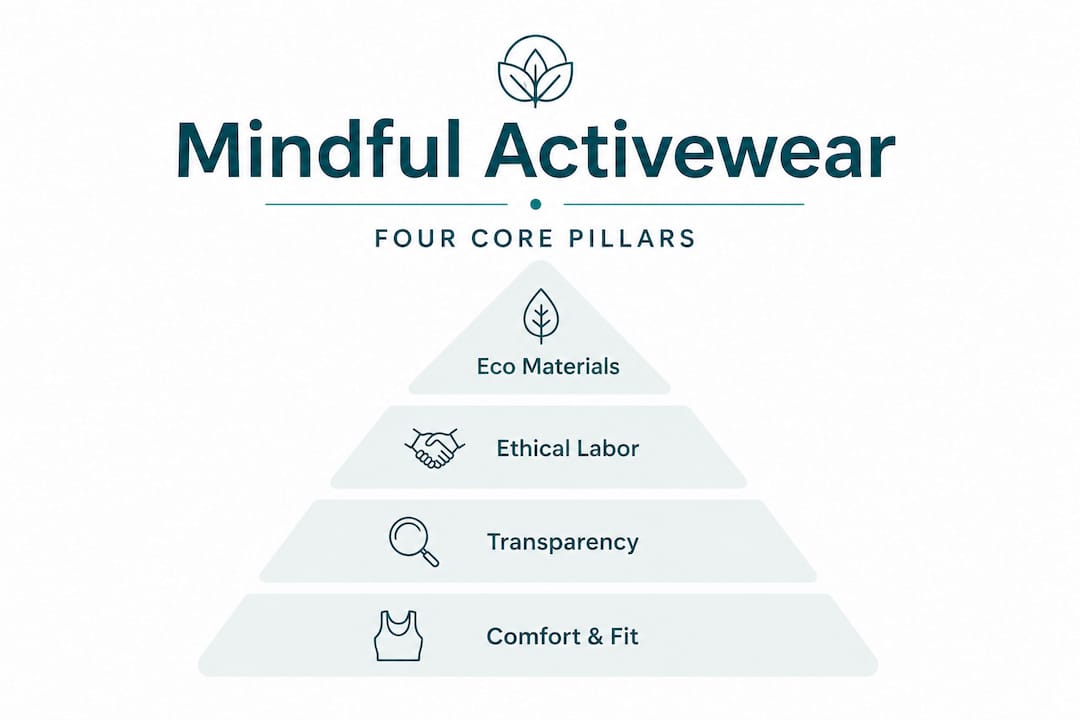
Mindful sports clothing isn’t just a buzzword. It’s a category of activewear built on four core pillars: eco-friendly materials, ethical manufacturing, verified certifications, and genuine performance. Each pillar matters equally. A shirt made from organic cotton but sewn in a factory with poor labor conditions isn’t truly mindful. Likewise, a garment with excellent worker conditions but made from virgin synthetic fibers still carries a heavy environmental cost.
The concept of mindful clothing starts with intention. Every design decision, from the fiber source to the dye process to the packaging, should reflect a commitment to reducing harm. For athletes and fitness enthusiasts, this means your gear should support your performance goals without compromising the planet or the people who made it.
Certifications are your most reliable shortcut. GOTS and OEKO-TEX certifications are the two most trusted in the industry: GOTS (Global Organic Textile Standard) covers the entire supply chain from fiber to finished product, while OEKO-TEX focuses on testing for harmful substances. Brands that carry both certifications offer the strongest assurance that their claims are real, not just marketing copy.
“Prioritize GOTS for full supply chain transparency and OEKO-TEX for toxin-free assurance. Brands holding both certifications represent the gold standard for mindful activewear.” — Textile Think Tank
Greenwashing is the practice of making misleading claims about environmental benefits. It’s rampant in the sportswear industry. Phrases like “made with recycled materials” or “eco-conscious design” mean nothing without third-party verification. Here’s what genuinely mindful activewear looks like:
- Made from certified organic, recycled, or responsibly sourced fibers
- Produced under fair labor conditions with verified worker protections
- Dyed and finished using low-impact or non-toxic processes
- Packaged with minimal or compostable materials
- Supported by transparent supply chain information on the brand’s website
For a deeper look at making smart choices, explore these eco-friendly sportswear tips that go beyond the basics.
| Pillar | What it means | Why it matters |
|---|---|---|
| Eco-friendly materials | Organic, recycled, or low-impact fibers | Reduces resource use and pollution |
| Ethical manufacturing | Fair wages, safe conditions | Protects workers throughout the supply chain |
| Certifications | GOTS, OEKO-TEX, Fair Wear | Provides third-party proof of claims |
| Performance | Moisture-wicking, stretch, durability | Ensures the gear actually works for athletes |
Essential materials and certifications for mindful sports clothing
Understanding which fabrics and labels to trust is the foundation of a mindful wardrobe. Not all sustainable materials perform equally, and not all certifications cover the same ground.
Key fabrics to know:
Organic cotton is soft, breathable, and grown without synthetic pesticides. It’s excellent for low-intensity workouts and recovery wear. Recycled polyester, made from post-consumer plastic bottles, performs well for high-intensity activities because it wicks moisture effectively. Modal is a semi-synthetic fiber from beech tree pulp that feels incredibly soft and resists shrinking. TENCEL (lyocell) is produced in a closed-loop process that recycles water and solvents, making it one of the most environmentally responsible options available. Hemp is naturally durable, antimicrobial, and improves with each wash, though it’s less common in performance-specific gear.
Certifications that actually mean something:
GOTS certification ensures that at least 70% of fibers are organic and that social and environmental criteria are met at every stage of production. OEKO-TEX Standard 100 certifies that every component of a garment has been tested for harmful substances. Fair Wear Foundation focuses specifically on labor conditions, auditing factories and publishing results publicly. Brands that hold GOTS certification alongside OEKO-TEX offer the most complete picture of responsible production.
| Material | Best for | Certification to look for |
|---|---|---|
| Organic cotton | Yoga, recovery, low-impact | GOTS |
| Recycled polyester | Running, HIIT, cycling | OEKO-TEX, bluesign |
| Modal | Everyday wear, pilates | OEKO-TEX |
| TENCEL/Lyocell | Hiking, light training | OEKO-TEX, FSC |
| Hemp | Outdoor training, durability | GOTS |
Three steps to verify label claims:
- Look for the certification logo directly on the garment’s label or hangtag, not just on the website. Logos should include a license number you can verify on the certifying body’s official database.
- Search the brand name on the GOTS or OEKO-TEX public database to confirm their certification is current and active, not expired.
- Check the brand’s website for a supply chain transparency page. Legitimate mindful brands name their factories and share audit results openly.
Pro Tip: Brands that carry both GOTS and OEKO-TEX certifications are your safest bet. They’ve passed two separate verification processes covering both organic sourcing and chemical safety. When in doubt, look for this hybrid combination before making a purchase.
If you want to go deeper on fabric choices, this guide on recycled fabric apparel choices breaks down exactly what to look for and what to avoid.
How to select the right mindful sports clothing for your needs
Having covered which fabrics and labels to seek, here’s how to actually buy and build your mindful wardrobe. The right mindful gear depends on your specific activities, body type, and performance needs. Sustainability is non-negotiable, but so is functionality.
Match the fabric to your activity:
High-intensity training like running, cycling, or HIIT demands moisture-wicking fabrics with four-way stretch. Recycled polyester and nylon blends handle sweat well and maintain shape under pressure. For yoga or pilates, you want fabrics that move with your body without restriction. Organic cotton blends and modal are excellent here. Outdoor activities like hiking or trail running require durability and some weather resistance. Look for hemp blends or recycled nylon with a low-impact DWR (durable water repellent) finish.
Assess fit and comfort before committing:
Fit affects both performance and longevity. Clothes that are too tight wear out faster at the seams. Clothes that are too loose create drag and discomfort during movement. When trying on activewear, test the full range of motion you’d use in your actual workout. Squat, lunge, reach overhead. If anything pulls, bunches, or rides up, it’s not the right fit regardless of how good the certification is.
Your mindful activewear buying checklist:
- Identify your primary activity and the fabric performance requirements it demands.
- Set a realistic budget. Mindful activewear costs more upfront but lasts significantly longer, making it more cost-effective over time.
- Check for GOTS or OEKO-TEX certification on the label or through the brand’s public database listing.
- Review the brand’s manufacturing transparency page. Do they name their factories? Do they share worker condition reports?
- Choose versatile pieces that work across multiple activities to reduce the total number of items you need.
- Read real customer reviews focusing on durability after multiple washes, not just initial impressions.
Pro Tip: Before buying anything new, do a wardrobe audit. Pull out every piece of activewear you own and assess what you actually use. Most athletes find they wear 20% of their gear 80% of the time. Buying mindfully means buying less, which is the most sustainable choice of all.
For a structured approach to building your wardrobe, this sustainable workout clothes workflow walks you through the process step by step.
Caring, recycling, and extending the life of your mindful activewear
Sourcing the right clothing is only the start. Maintaining and eventually recycling your gear is key to true mindful sportswear practice. The most sustainable garment is the one you already own, kept in great condition for as long as possible.

Washing habits that protect your gear:
Synthetic fabrics shed microplastics during washing. Using a microplastic filter bag (like a Guppyfriend bag) captures these fibers before they enter the water system. Wash activewear in cold water on a gentle cycle. Hot water breaks down elastic fibers faster and increases microplastic shedding. Skip the fabric softener entirely. It coats the fibers and reduces moisture-wicking performance over time. Use a small amount of non-toxic, biodegradable detergent.
Maintenance habits that extend garment life:
- Turn garments inside out before washing to protect outer surfaces and printed details
- Air dry whenever possible. Dryer heat degrades elastic and synthetic fibers significantly faster
- Store activewear folded, not hanging. Hanging stretches the fabric over time, especially at the shoulders
- Treat stains immediately with cold water and a small amount of gentle soap rather than waiting for laundry day
- Store in a cool, dry place away from direct sunlight, which fades colors and weakens fibers
When a piece is genuinely worn out, recycling is the responsible next step. Many major retailers run take-back programs. Brands like Patagonia and The North Face accept worn gear regardless of brand. Local textile recycling bins handle items that can’t be repaired or repurposed. Some communities also have repair cafes where volunteers help fix clothing for free.
Pro Tip: Store your activewear in a cool, dry drawer or shelf rather than a damp gym bag or basement. Moisture and heat are the two fastest ways to degrade both natural and synthetic fibers. A simple storage habit can add months or even years to the life of your gear.
For a complete guide on responsible disposal, check out how to recycle sportswear with step-by-step instructions.
Avoiding greenwashing and spotting authentic mindful brands
Completing your journey, here’s how to tell if brands really embody mindful principles or just say they do. The gap between genuine sustainability and clever marketing is wide, and the sportswear industry is full of brands that have mastered the language without doing the work.
Red flags that signal greenwashing:
- Vague language like “eco-friendly,” “green,” or “sustainable” with no certifications to back it up
- Claims of “made with recycled materials” without specifying the percentage of recycled content
- No supply chain transparency page or factory information anywhere on the website
- Certifications listed without license numbers or links to verification databases
- Seasonal “sustainability collections” from brands whose core line remains unchanged
What a genuinely transparent brand shows you:
Authentic mindful brands publish their factory names and locations. They share audit results, including areas where they’re still improving. They explain exactly which certifications they hold and provide license numbers. They talk about their material sourcing with specifics, not generalities. They acknowledge trade-offs honestly rather than claiming to be perfect.
Questions to ask before buying:
- Does this brand list its factories publicly?
- Can I verify their certifications on the GOTS or OEKO-TEX database?
- What percentage of this garment is made from certified or recycled material?
- Does the brand have a repair or take-back program?
- Is the pricing consistent with ethical manufacturing costs, or suspiciously low?
“When evaluating brands, treat certifications as your baseline, not your ceiling. GOTS covers the supply chain; OEKO-TEX covers chemical safety. Together, they give you the most complete picture available.” — Textile Think Tank
Understanding sustainable sourcing in fashion helps you ask better questions and make more informed choices. You can also find inspiration in curated sustainable outfits for eco-conscious wardrobes that demonstrate what genuine mindful fashion looks like in practice.
A mindful sportswear journey is a mindset shift, not just a product swap
Here’s the perspective most guides won’t give you: buying one certified organic running shirt doesn’t make you a mindful athlete. Real mindfulness in sportswear is a practice, not a purchase. We’ve seen athletes swap their entire wardrobe overnight for “sustainable” alternatives and end up with more gear than before, which is the opposite of the goal.
The transformation comes from building habits around intentionality. That means buying less, wearing more, repairing instead of replacing, and asking harder questions of the brands you support. It means recognizing that the most sustainable garment is the one that never gets made because you didn’t need it.
There’s also a cultural dimension here. Athletes are visible. When you show up to a race, a class, or a trail wearing gear you can speak to, gear with a story about where it came from and why you chose it, you influence the people around you. That ripple effect is real. Mindful choices don’t stay private.
Focusing strictly on ingredients or single purchases misses the ongoing value of this practice. The athletes who get the most out of mindful sportswear are the ones who treat it as part of a larger commitment to intentional living. They track how long their gear lasts. They repair before they replace. They share what they’ve learned with training partners.
Staying current on sustainable apparel trends helps you make smarter choices as materials and certifications evolve. But the foundation is always the same: buy with purpose, care with attention, and let go responsibly.
Ready to upgrade your sportswear for a mindful routine?
If this guide has shifted how you think about your activewear, the next step is finding gear that actually lives up to these standards. That means brands with verified certifications, transparent supply chains, and designs built for real athletic performance.

At M23, every piece is produced with certified organic and recycled materials, made under fair labor conditions in Berlin and Poland, and designed to perform across a full range of activities. No vague green claims. No seasonal sustainability theater. Just functional, certified, and honestly made activewear you can wear with confidence. Explore the collection and stay updated with the latest sustainable trends to keep your wardrobe aligned with your values.
Frequently asked questions
What makes sports clothing truly mindful?
Mindful sports clothing is made from eco-friendly certified materials, produced under ethical labor conditions, and independently verified for both environmental and safety standards. It performs for athletes while minimizing harm to people and the planet.
Which certifications are reliable to avoid greenwashing?
GOTS and OEKO-TEX are the two most trusted certifications. Brands that carry both cover the full supply chain and chemical safety, representing the strongest standard available for mindful activewear.
How should I care for mindful sports clothes?
Wash in cold water on a gentle cycle, use a microplastic filter bag for synthetics, skip fabric softener, and air dry whenever possible. These habits protect both the garment’s performance and the environment.
Where can I recycle old mindful sportswear?
Many major retailers run take-back programs, and most communities have textile recycling bins or drop-off centers. Brands like Patagonia also accept worn gear from any brand for responsible recycling or repair.
Recommended
- Eco-friendly sportswear tips: 5 sustainable choices – M23
- How to build a sustainable workout clothes workflow – M23
- Climate-Friendly Clothing: Your Guide to Sustainable Choices – M23
- What is conscious clothing? A guide to mindful fashion – Memento Vivere Co
- How to Spot Sustainable Fashion: A Step-by-Step Guide – The Cork Store