

Sustainable fashion explained: A complete guide
Fashion is responsible for 8% of global greenhouse gas emissions and ranks as the second-largest consumer of water on the planet. Yet most shoppers still struggle to explain what “sustainable fashion” actually means when they’re standing in a store or scrolling through an online shop. The term gets thrown around constantly, applied to everything from a brand using recycled packaging to one that has overhauled its entire supply chain. This guide cuts through the noise. You’ll find clear definitions, practical frameworks, and actionable steps to help you shop with genuine confidence and real impact.
Table of Contents
- Defining sustainable fashion: Principles and frameworks
- How sustainable fashion works: Methodologies and materials
- The European landscape: Regulations, benchmarks, and challenges
- Greenwashing and the nuances of sustainable fashion
- A practical guide for your sustainable wardrobe
- Explore sustainable clothing options at M23
- Frequently asked questions
Key Takeaways
| Point | Details |
|---|---|
| Three pillars framework | Sustainable fashion combines environmental, social, and economic practices. |
| EU regulation focus | European benchmarks like DPP and EPR are guiding the industry toward transparency and durability. |
| Avoiding greenwashing | Choose brands with certifications and supply chain transparency to ensure real sustainability. |
| Actionable wardrobe choices | You can support sustainable fashion by selecting certified, durable clothing and recycling responsibly. |
Defining sustainable fashion: Principles and frameworks
Sustainable fashion is not just about using organic cotton or avoiding plastic bags. According to researchers at the University of Manchester, sustainable fashion refers to clothing and accessories produced, distributed, and used in ways that minimize environmental harm, ensure social responsibility, and maintain economic viability across the garment’s lifecycle. That last part matters more than most people realize. A garment that is kind to the planet but made in a sweatshop is not truly sustainable.
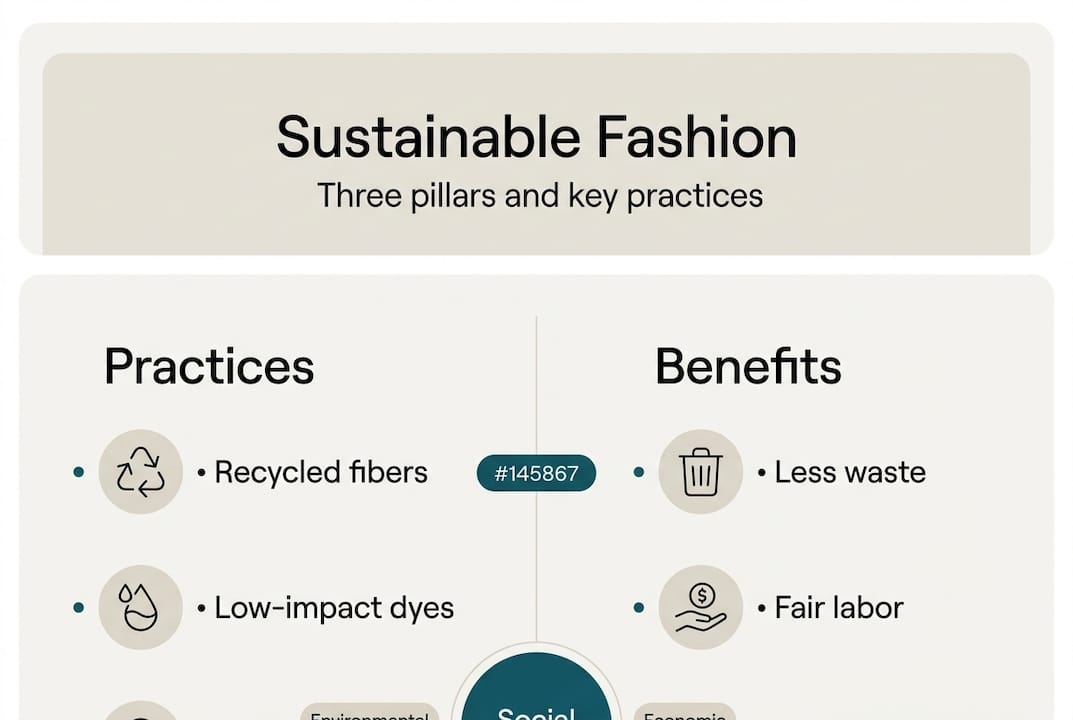
The concept rests on three core pillars: environmental (low-impact materials and processes), social (fair wages, safe working conditions, and animal welfare), and economic (business models that can survive without exploiting people or resources). All three must work together. Ignore one, and the whole system breaks down.
Here is a quick comparison of sustainable versus unsustainable practices:
| Practice | Sustainable | Unsustainable |
|---|---|---|
| Materials | Organic cotton, recycled fibers | Virgin polyester, conventional cotton |
| Labor | Fair wages, safe conditions | Poverty wages, unsafe factories |
| Production | Low-waste, low-emission processes | High water use, toxic dyes |
| End of life | Recyclable, biodegradable | Landfill-bound, non-recyclable |
| Business model | Transparent, long-term viable | Exploitative, growth-at-all-costs |
Lifecycle thinking is central to this framework. It means asking where a garment comes from, how it is made, how long it lasts, and what happens when you no longer want it. Our eco-friendly textile guide breaks down the most common sustainable fabrics and their real-world impact. For a broader look at how luxury sustainable fashion fits into this picture, the contrast with mass-market brands is striking.
Key characteristics of genuinely sustainable brands include:
- Transparent supply chains with named factories and audit reports
- Certified materials such as GOTS-certified organic cotton or Global Recycled Standard fibers
- Fair labor practices verified by independent third parties
- Durable design that prioritizes longevity over trend cycles
- Take-back or recycling programs for end-of-life garments
“Sustainability in fashion is not a destination. It is a direction. Every step toward lower impact, fairer wages, and longer-lasting garments counts.”
How sustainable fashion works: Methodologies and materials
Now that we have unpacked the general framework, let’s see how these principles are put into practice. Five core methodologies define the sustainable fashion space: eco-friendly (low-impact processes and dyes), slow and ethical (durability and fair trade), circular (reuse and recycle systems), zero-waste (pattern cutting that eliminates fabric scraps), and regenerative (practices that actively restore ecosystems).
Each methodology shows up differently in real products. Here is how they translate into practice:
- Eco-friendly manufacturing uses water-saving dyeing techniques, renewable energy in production, and non-toxic finishing chemicals.
- Slow fashion means designing garments to last years, not seasons. Fewer collections, better construction, and honest pricing.
- Ethical production ensures every worker in the supply chain earns a living wage and works in safe conditions.
- Circular design builds garments that can be disassembled, repaired, or recycled at the end of their life.
- Zero-waste cutting uses digital pattern technology to eliminate the 15 to 20 percent of fabric typically wasted during garment production.
Materials matter enormously. Organic cotton uses up to 91% less water than conventional cotton. Hemp requires no pesticides and enriches the soil it grows in. Recycled nylon, made from ocean plastic and industrial waste, cuts energy use by up to 80% compared to virgin nylon. These are not marketing claims. They are measurable differences.
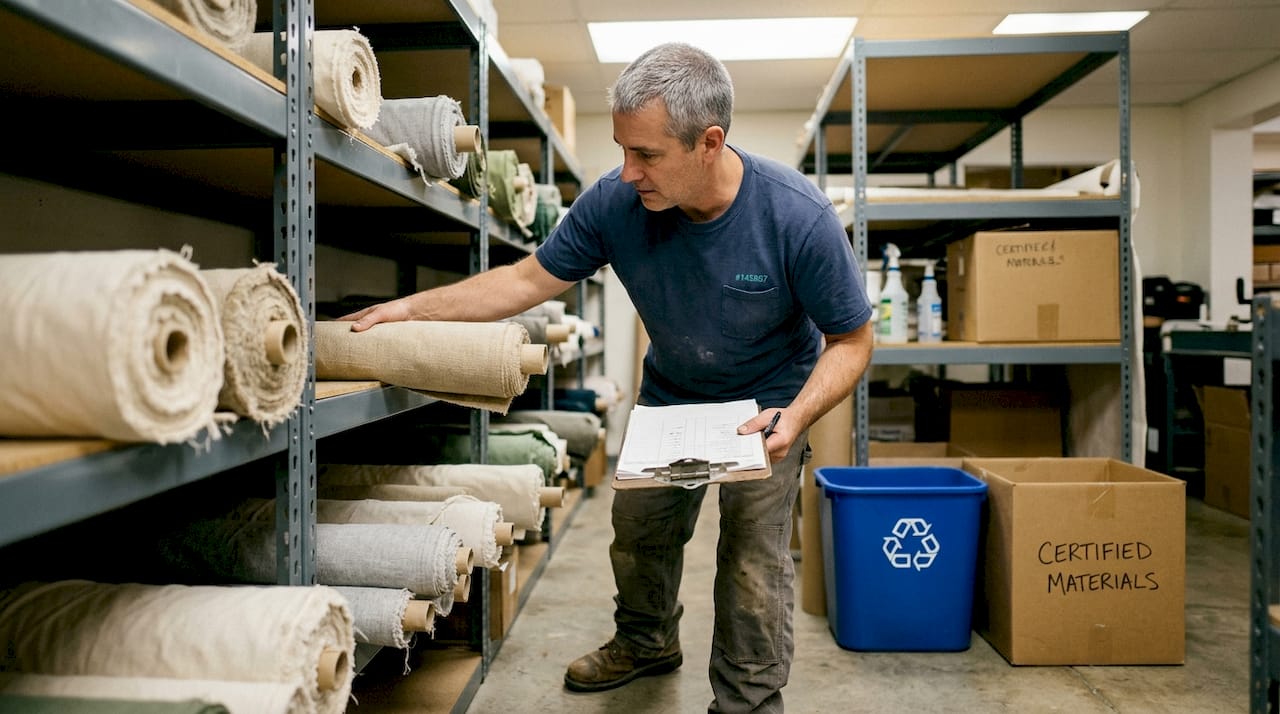
Pro Tip: When evaluating a brand’s materials, look for fiber-level certifications, not just brand-level claims. A tag that says “made with recycled materials” could mean just 5% recycled content. Ask for the percentage.
For inspiration on building a wardrobe around these principles, browse our collection of sustainable outfits or follow our ethical fashion guide for a step-by-step approach.
The European landscape: Regulations, benchmarks, and challenges
With the methodologies clarified, let’s zoom into the regulatory and policy landscape shaping sustainable fashion in Europe. The EU is moving faster than any other region on textile sustainability, and the rules coming into force by 2030 will change what you see on store shelves.
EU 2030 benchmarks require that all textiles placed on the European market be durable, repairable, and recyclable. They must also contain reduced levels of hazardous substances and be produced with a smaller environmental footprint. Two key policy tools are driving this shift:
- Digital Product Passport (DPP): A scannable label that gives consumers and recyclers access to a garment’s full material and production history.
- Extended Producer Responsibility (EPR): Brands must take financial responsibility for collecting and recycling their products at end of life.
Here is a snapshot of the European textile industry today:
| Indicator | Data |
|---|---|
| EU textile industry turnover | Over €162 billion annually |
| Jobs supported | Approximately 1.5 million across Europe |
| Clothing waste per person per year | Around 11 kg in the EU |
| Textile recycling rate | Less than 1% recycled into new fibers |
| Microplastic pollution | Synthetic textiles are a leading source |
The recycling rate is the most alarming figure. Less than 1% of clothing is recycled into new clothing. The rest is downcycled, incinerated, or sent to landfill. EPR fees and eco-modulation (where brands pay more if their products are harder to recycle) are designed to change that math. For more on EU sustainability requirements and how they affect brands, the regulatory detail is worth reading. You can also explore our latest news for updates on how these rules affect conscious shoppers, and learn about the true cost of fast fashion in the broader context.
Greenwashing and the nuances of sustainable fashion
Regulations and benchmarks help clarify practices, but true sustainability requires navigating ongoing challenges and avoiding misleading claims. Greenwashing is the practice of making a product or brand appear more sustainable than it actually is. It is widespread, and it is getting more sophisticated.
No universal definition of sustainable fashion exists, which gives brands room to define the term on their own terms. A brand might call a collection “conscious” because it uses 10% recycled polyester. Another might earn that label through full supply chain transparency and living wages. The word means very different things depending on who is using it.
Common greenwashing tactics to watch for:
- Vague language: Words like “eco,” “green,” or “natural” with no supporting evidence
- Hidden trade-offs: Highlighting one sustainable attribute while ignoring others (e.g., organic cotton made in a factory with no labor protections)
- Irrelevant claims: Boasting about being “CFC-free” when CFCs have been banned for decades
- Fake certifications: Logos that look official but are self-awarded or unverified
- Cherry-picked data: Citing one metric (like water savings) while ignoring carbon emissions or waste
Luxury fashion presents its own paradoxes. High price does not equal ethical production. Some luxury brands use exotic animal skins or source materials from regions with weak labor protections. Conversely, some affordable brands have made genuine commitments to ethical sourcing that outperform their premium competitors.
“The most dangerous greenwashing is the kind that sounds completely reasonable. Always ask: what is the evidence?”
Pro Tip: Before trusting a sustainability claim, search for the brand’s annual impact report. Genuine brands publish measurable data, not just aspirational language. If you can’t find numbers, that tells you something.
Our ethical fashion steps resource walks you through exactly how to evaluate a brand’s claims before you buy.
A practical guide for your sustainable wardrobe
With nuance and context in mind, let’s shift to the practical. How do you actually make sustainable, ethical choices while shopping in 2026?
European consumers are best positioned to prioritize EU transparency standards, recognized certifications, and a lifecycle focus to avoid greenwashing. Here is a step-by-step approach:
- Check the certifications. Look for GOTS (Global Organic Textile Standard), Fair Trade, OEKO-TEX Standard 100, or the Global Recycled Standard. These are independently verified and meaningful.
- Read the fiber content label. A garment that is 100% organic cotton is very different from one that is 5% organic and 95% conventional polyester.
- Research the brand’s supply chain. Does the brand name its factories? Does it publish wage data? Transparency is a strong signal of genuine commitment.
- Ask about end-of-life options. Does the brand offer repair services, take-back programs, or recycling partnerships?
- Buy less, choose well. The most sustainable garment is one you wear 200 times, not one made from organic cotton that sits in your closet.
- Care for your clothes properly. Washing at lower temperatures, air drying, and avoiding tumble drying can extend a garment’s life by years.
Pro Tip: Build a capsule wardrobe around versatile, high-quality pieces rather than trend-driven items. A smaller wardrobe of well-made clothes has a dramatically lower lifetime footprint than a large wardrobe of cheap, fast-fashion pieces.
For ideas on what a sustainable wardrobe actually looks like in practice, our must-have sustainable outfits guide is a great starting point. If you practice yoga or active wear, our sustainable yoga wardrobe guide covers the six essential pieces worth investing in. The EU textiles strategy also provides a useful benchmark for what “good” looks like at a policy level.
Explore sustainable clothing options at M23
You now have the knowledge to shop with intention. The next step is finding brands that actually live up to these standards. At M23, every piece in our collection is designed with transparency, fair labor, and ecological responsibility at its core. We produce in Berlin and Poland, use certified organic and recycled materials, and publish clear information about where and how our clothes are made.

Whether you are building a capsule wardrobe from scratch or looking to replace fast-fashion staples with pieces that last, our eco-friendly clothing selection covers women’s wear, men’s collection, and children’s apparel. Every item is made to be worn often, cared for, and kept for years. That is what sustainable fashion looks like in practice, not just in principle.
Frequently asked questions
What makes clothing sustainable?
Clothing is sustainable when it uses low-impact materials, fair labor practices, and production methods that reduce environmental and social harm across its entire lifecycle. All three pillars, environmental, social, and economic, must be addressed.
How can I avoid greenwashing when shopping?
Look for credible, independently verified certifications like GOTS and Fair Trade, and check whether the brand publishes transparent data about its supply chain and materials. Greenwashing is common, so vague language without evidence is a red flag.
Are all eco-friendly fabrics truly sustainable?
Not always. A fabric might have a lower environmental footprint but still be produced under poor labor conditions or within an economically exploitative model. All three pillars must be considered before calling a material truly sustainable.
What are the main EU sustainability requirements for fashion?
By 2030, the EU requires that textiles be durable, recyclable, and free of hazardous substances. Brands must also comply with Digital Product Passport traceability rules and Extended Producer Responsibility obligations. EU 2030 targets are among the most ambitious in the world.
Why is fashion such a big environmental issue?
Fashion accounts for 8% of global emissions and is the second-largest consumer of water globally. A garbage truck’s worth of clothing is landfilled or incinerated every single second, making it one of the most resource-intensive industries on earth.