

How to build a sustainable workout clothes workflow
TL;DR:
- Genuine sustainability in workout clothes involves raw materials, manufacturing, labor, and end-of-life considerations.
- Building a capsule wardrobe and buying fewer, high-quality pieces reduces environmental impact.
- Proper care, repair, and recycling extend garment life and minimize clothing waste.
Most workout clothes are made from virgin synthetic fibers, and the global apparel industry generates roughly 10% of annual carbon emissions. For athletes who care about the planet, that number stings. You want gear that performs, looks great, and aligns with your values, but the market is flooded with greenwashed claims and confusing certifications. This guide breaks down a practical, step-by-step workflow for sourcing, evaluating, and caring for genuinely sustainable workout clothes, so every training session reflects your commitment to ethical living.
Table of Contents
- Understanding sustainability in workout apparel
- Planning your sustainable activewear workflow
- Choosing sustainable pieces: Shopping smarter
- Maximizing wear and ensuring circularity
- Why a true sustainable workout wardrobe is about more than just buying the right brands
- Take your next sustainable step with M23
- Frequently asked questions
Key Takeaways
| Point | Details |
|---|---|
| Focus on eco-materials | Recycled and certified organic fabrics are crucial for truly sustainable workout gear. |
| Plan your capsule | Start with a wardrobe audit and prioritize versatile, long-lasting essentials. |
| Verify brand transparency | Only buy from brands with third-party certifications and open supply chains. |
| Care and recycle smartly | Proper garment care and access to recycling programs maximize your clothing’s life and minimize waste. |
Understanding sustainability in workout apparel
Sustainability in workout clothing is not just about swapping cotton for bamboo. It spans four interconnected pillars: raw material sourcing, manufacturing transparency, labor standards, and end-of-life recyclability. Miss any one of them, and the gear you call “eco-friendly” may still carry a heavy footprint.
Let’s bust a few myths first. Bamboo sounds natural, but most bamboo fabric is processed with harsh chemicals, producing a semi-synthetic fiber that can be just as polluting as regular rayon. Natural does not automatically beat synthetic either. Recycled polyester, for example, diverts plastic bottles from landfills and uses significantly less water and energy than growing virgin cotton. Recycled and organic materials offer lower environmental impact than conventional fabrics, which is why understanding fiber origins matters more than guessing by name alone.
Certifications cut through the noise. Look for these when evaluating any piece of activewear:
- GOTS (Global Organic Textile Standard): Covers both organic fiber content and responsible processing
- OEKO-TEX Standard 100: Tests for harmful substances in the finished product
- Fair Trade Certified: Confirms fair wages and safe working conditions
- bluesign: Focuses on resource-efficient, low-impact manufacturing
- Recycled Claim Standard (RCS): Verifies recycled material content in the supply chain
These labels are third-party verified, meaning a brand cannot simply print them on a hangtag. They require audits and ongoing compliance.
| Certification | What it covers | Best for |
|---|---|---|
| GOTS | Organic fiber + processing | Natural fiber items |
| OEKO-TEX 100 | Harmful substance testing | Any fabric type |
| Fair Trade | Labor and wages | Supply chain ethics |
| bluesign | Manufacturing impact | Synthetic performance wear |
| RCS | Recycled content verification | Recycled synthetics |
When you dig into choosing recycled fabric apparel, the supply chain story becomes just as important as the fiber itself. A shirt made from certified recycled nylon but sewn in unsafe conditions is only half-sustainable. And if you want the broader picture, sustainable fashion explained is an excellent starting resource for understanding how all these pieces connect.
Pro Tip: Choose pieces with multi-purpose design, a sports bra that doubles as a swim top, or training tights that transition to casual wear. Fewer garments purchased means a smaller cumulative footprint, no matter how eco-friendly each piece is.
Planning your sustainable activewear workflow
A clear plan prevents the most common mistake eco-conscious athletes make: replacing everything at once. Buying a full new “sustainable” wardrobe immediately is itself a consumption problem. Sustainable capsule wardrobes minimize fashion waste and streamline the shopping process by focusing on fewer, better items.
Here is how to build your plan step by step:
- Take inventory. Lay out every piece of workout clothing you own. Identify what is worn out, what still has life, and what you never actually use.
- Define your non-negotiables. Write down your three to five must-have criteria. For example: must use recycled or organic fiber, must carry a recognized certification, must ship with minimal plastic packaging.
- Identify real gaps. Only list items you genuinely need to replace or add. Resist buying duplicates of things you already own in good condition.
- Research before you buy. Build a shortlist of brands that meet your criteria. Check their material pages, supply chain disclosures, and third-party certifications.
- Plan your purchase timeline. Replace items gradually as they wear out rather than in one batch. This smooths your spending and reduces impulse buys.
Comparing your options before checkout saves money and regret. Here is a quick comparison to guide fabric decisions:
| Fabric | Environmental pros | Performance notes | Lifecycle |
|---|---|---|---|
| Recycled polyester | Diverts plastic waste, less energy than virgin | Moisture-wicking, durable | Recyclable via programs |
| Organic cotton | No synthetic pesticides, biodegradable | Breathable, soft | Compostable if undyed |
| TENCEL (lyocell) | Closed-loop solvent process, low water use | Soft, breathable | Compostable |
| Recycled nylon | Uses less energy, ocean plastic sourcing | Durable, elastic | Recyclable via programs |
Browsing must-have sustainable outfits can give you style direction while keeping your choices grounded in function. The goal is a compact, versatile kit that covers your actual training needs without excess.
Choosing sustainable pieces: Shopping smarter
With your plan in hand, it is time to shop with purpose. Intentional purchasing is a skill, and it gets easier with a repeatable process.
How to research and validate a sustainable brand:
- Visit the brand’s dedicated sustainability or impact page. Vague language like “eco-friendly” without specifics is a red flag.
- Cross-check certifications through the certifying body’s own website. Most GOTS or Fair Trade databases are publicly searchable.
- Read third-party reviews from platforms like Good On You rather than relying solely on brand marketing.
- Check brand transparency rankings using Fashion Revolution’s annual index.
- Look for published supplier lists or factory audits. Brands with nothing to hide share this information voluntarily.
Greenwashing is the practice of making environmental claims that are misleading or unverifiable. Watch for these red flags:
- Buzzwords without certification backup: “natural,” “green,” “conscious”
- Sustainability claims limited to packaging while the product itself uses virgin synthetics
- No information about garment workers or wages
- Single-use plastic packaging on an “eco-friendly” item
With sustainable apparel trends moving toward greater consumer demand for transparency and innovative sustainable materials, brands that lack clear evidence are increasingly easy to spot.
Pro Tip: Keep a simple brand scorecard in your phone’s notes app. Rate brands on four criteria: material certification, labor transparency, packaging, and end-of-life guidance. A brand scoring three out of four is far better than one with only marketing claims.
Maximizing wear and ensuring circularity
Buying sustainably is only step one. The environmental math changes dramatically based on how long you actually wear and maintain each piece. A sustainably made legging worn 200 times has a fraction of the per-wear impact of one worn 30 times before being discarded.
Proper care and recycling can dramatically reduce clothing waste. Here are the core care principles for sustainable activewear:
- Wash in cold water on a gentle cycle to protect recycled fibers and reduce microplastic shedding
- Use a microplastic filter bag (such as a Guppyfriend) when washing synthetics
- Air dry whenever possible. Heat degrades elastic fibers and shortens garment life
- Store folded rather than hanging to prevent fabric stretch
- Spot clean minor marks immediately rather than running full wash cycles
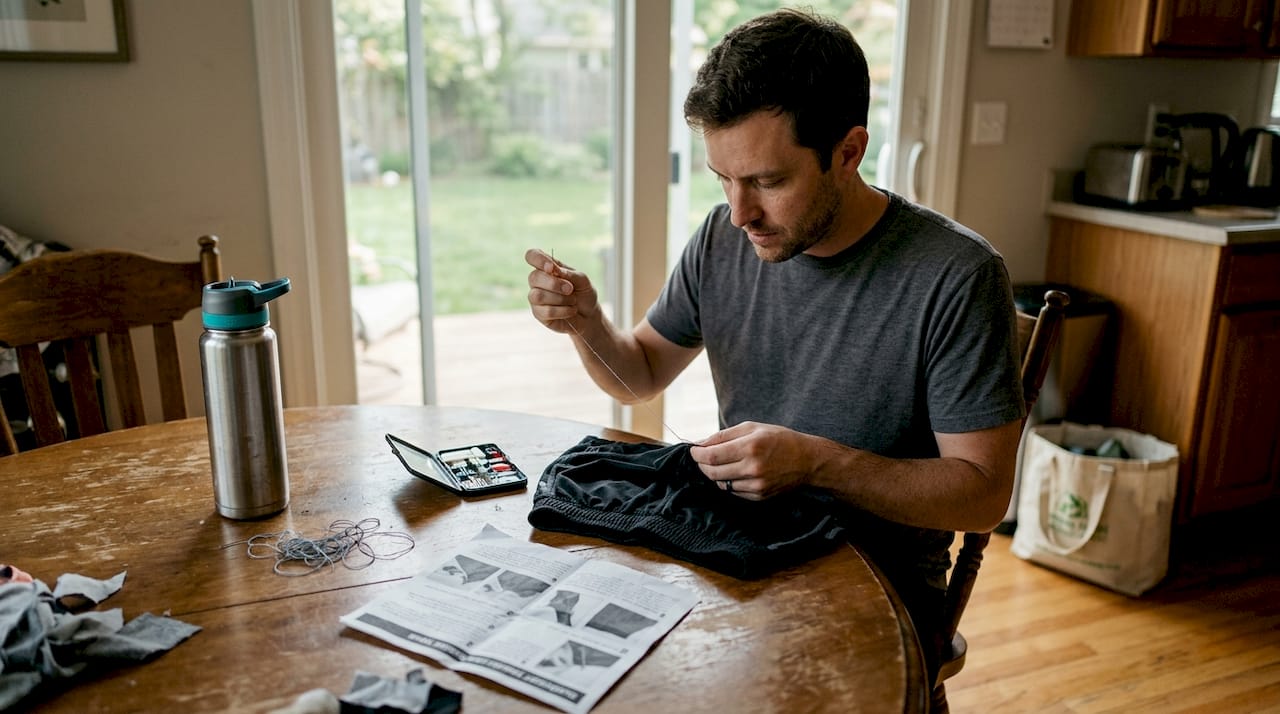
Building a basic repair kit costs very little and extends garment life significantly. Include fabric glue, a needle and thread in neutral colors, an iron-on patch, and small scissors. Most small tears or popped seams take under ten minutes to fix.
“The most sustainable garment is the one you already own.” This reminder is especially powerful for athletes who are tempted to upgrade gear seasonally.
When a garment truly is worn out, responsible disposal matters. Check sustainable activewear care tips for detailed maintenance advice. For end-of-life decisions, use this table:
| Fabric type | Recycling route | Upcycle option | Landfill? |
|---|---|---|---|
| Recycled polyester | Brand take-back, TerraCycle | Cleaning rags, bag lining | Never |
| Organic cotton | Textile recycler, H&M collect | Compost if undyed | Last resort |
| Recycled nylon | Econyl program, brand return | Patch material | Never |
| TENCEL | Textile recycler | Biodegradable compost | Last resort |
Never send synthetics straight to landfill. Most major cities now have textile collection points, and several athletic brands offer take-back programs specifically for their products.
Why a true sustainable workout wardrobe is about more than just buying the right brands
Here is what most sustainability guides skip: buying ethically made gear and then replacing it every season is still a consumption problem. The garment industry profits when we see sustainability as a shopping identity rather than a genuine behavioral shift.
The athletes making the most real-world impact are not necessarily wearing the newest eco-certified leggings. They are wearing the same pair they bought three years ago, washed carefully, and repaired twice. That is a much harder story to market, which is exactly why you rarely read it.
Mindful purchasing means questioning whether you need something before researching what to buy. It means valuing what you already own. It means advocating for fashion transparency even when brands resist it. If you want actionable sustainability tips that go beyond material choices, the habits around consumption matter as much as the certification on the label.
Real sustainability is a practice, not a purchase. The workflow in this guide works best when paired with an honest commitment to buying less overall.
Take your next sustainable step with M23
Ready to put this workflow into action? Start by browsing a collection that has already done the vetting for you.

M23’s sustainable activewear selection is curated specifically around eco-friendly materials, ethical production in Berlin and Poland, and long-lasting functional design. Every piece is chosen with certifications and supply chain transparency in mind, which means you skip the research rabbit hole and go straight to gear that performs. Whether you are building a capsule wardrobe from scratch or replacing a single worn-out piece, exploring the latest sustainable apparel trends on the M23 blog helps you shop with both style and values firmly in focus.
Frequently asked questions
What materials are best for sustainable workout clothes?
Recycled and organic materials offer lower environmental impact than conventional fabrics, making recycled polyester, organic cotton, and certified TENCEL the top choices for eco-conscious activewear. Each option balances performance with a meaningfully reduced footprint compared to virgin synthetics.
How do I avoid greenwashing when shopping for activewear?
Always check for third-party certifications such as GOTS, Fair Trade, or bluesign, and look for published supply chain disclosures rather than vague marketing language. With consumer demand for transparency rising sharply, genuinely responsible brands are increasingly willing to show their work.
What should I do with worn-out sustainable workout clothing?
Use a dedicated sportswear recycling program or brand take-back initiative, and consider upcycling options like cleaning rags or patch material at home. Following a proper sportswear recycling guide can dramatically reduce clothing waste and keeps synthetics out of landfills.
Is buying fewer, higher-quality pieces better for the environment?
Absolutely. Sustainable capsule wardrobes minimize fashion waste by reducing the total number of garments produced and discarded. A smaller collection of durable, certified pieces nearly always outperforms a large wardrobe of cheap eco-labeled items.