

Shop smarter: top sustainable apparel trends in 2026
TL;DR:
- EU regulations and transparency tools are making true sustainability verification crucial in 2026.
- Key trends include zero-waste design, material innovation, digital passports, circularity, and durability.
- Consumers should prioritize verified certifications, clear materials, and long-lasting, repairable garments.
Sustainable fashion in 2026 is not the same game it was two years ago. New EU regulations are raising the bar on what brands must prove, not just claim, and shoppers across Europe are demanding real accountability. The global sustainable fashion market is valued at USD 10,122.8 million this year, growing at a 10.1% annual rate. That kind of momentum brings opportunity but also noise. More brands are using green language without green substance. This guide cuts through the clutter, walking you through the criteria, the trends, and the practical strategies you need to shop with genuine confidence in 2026.
Table of Contents
- How to spot truly sustainable fashion in 2026
- Top 5 sustainable apparel trends dominating 2026
- How the top trends compare: What matters most for shoppers
- Smart shopping strategies for 2026: Matching trends to your values
- Our take: Why real sustainability means tough choices, not just new trends
- Shop mindful: Explore sustainable pieces curated for real impact
- Frequently asked questions
Key Takeaways
| Point | Details |
|---|---|
| Prioritize transparency | Always verify claims with tools like the Digital Product Passport for true sustainability. |
| Choose circular trends | Opt for apparel designed for recycling, repair, and durability over disposability. |
| Know the right materials | Favor natural or certified recycled fibers and avoid hard-to-recycle blends. |
| Stay ahead of EU rules | Look for ESPR-compliant labels and certifications for assurance on environmental standards. |
How to spot truly sustainable fashion in 2026
With the stakes raised, it’s essential to know the hallmarks of true fashion sustainability before shopping. The landscape has shifted considerably, and surface-level claims no longer hold up under scrutiny. Knowing what to look for protects your money and your values.
The most important regulatory development this year is the EU’s Ecodesign for Sustainable Products Regulation, or ESPR. Under ESPR, textiles must meet standards covering durability, recyclability, reduced chemical use, and Digital Product Passports (DPP). Large firms face a destruction ban on unsold goods starting July 2026, with delegated acts for textiles expected in late 2026 or early 2027. This is not optional compliance. It is a legal floor that responsible brands are already building toward.
Beyond regulation, look for these markers when evaluating any piece:
- Digital Product Passport (DPP): A scannable record of a garment’s materials, origin, and care history. If a brand offers one, that is a strong signal of transparency.
- Verified certifications: GOTS (Global Organic Textile Standard), OEKO-TEX, and EU Ecolabel are independently audited. A logo without a license number is a red flag.
- Supply chain disclosure: Brands that name their factories and publish audit results are far more trustworthy than those offering vague “ethical production” language.
- Material clarity: Look for garments with at least 85% natural or recycled fiber content, clearly labeled by percentage.
- No destruction of unsold stock: Ask or check whether the brand complies with the July 2026 ban. Brands still burning or landfilling excess inventory are not operating sustainably.
Greenwashing has grown more sophisticated. Phrases like “conscious collection” or “eco-friendly line” mean nothing without data. The regulatory impacts on supply chains are pushing brands to either get serious or get caught. Start with the sustainable fashion basics and use our ethical shopping guide to build a personal checklist before you buy.
Pro Tip: Before purchasing, search the brand name plus “GOTS certificate” or “OEKO-TEX license” in the certification body’s public database. If nothing comes up, the label is likely decorative.
Top 5 sustainable apparel trends dominating 2026
With criteria in hand, here is what is changing in sustainable fashion this year. These five trends are reshaping what conscious shoppers expect and what ethical brands are delivering.
-
Zero-waste and minimal-waste design. Brands are using computer-aided design (CAD) tools to cut fabric waste below 10%. Traditional garment cutting wastes up to 15% of fabric. Zero-waste pattern making eliminates that almost entirely, and the results are often more interesting in silhouette too.
-
Material innovation: recycled fibers, organic cotton, and bio-fabrics. Recycled nylon and polyester are now mainstream. Organic cotton remains the gold standard for breathability and recyclability. Bio-fabrics made from mycelium or algae are generating excitement, but as Source Fashion 2026 highlighted, scalability is still limited. Natural fibers remain the preferred choice for premium ethical appeal.
-
Digital Product Passports for traceability. The DPP is moving from pilot to practice. Forward-thinking brands are already embedding QR codes that link to full material sourcing, factory locations, and carbon estimates. This is the most powerful anti-greenwashing tool available to shoppers right now.
-
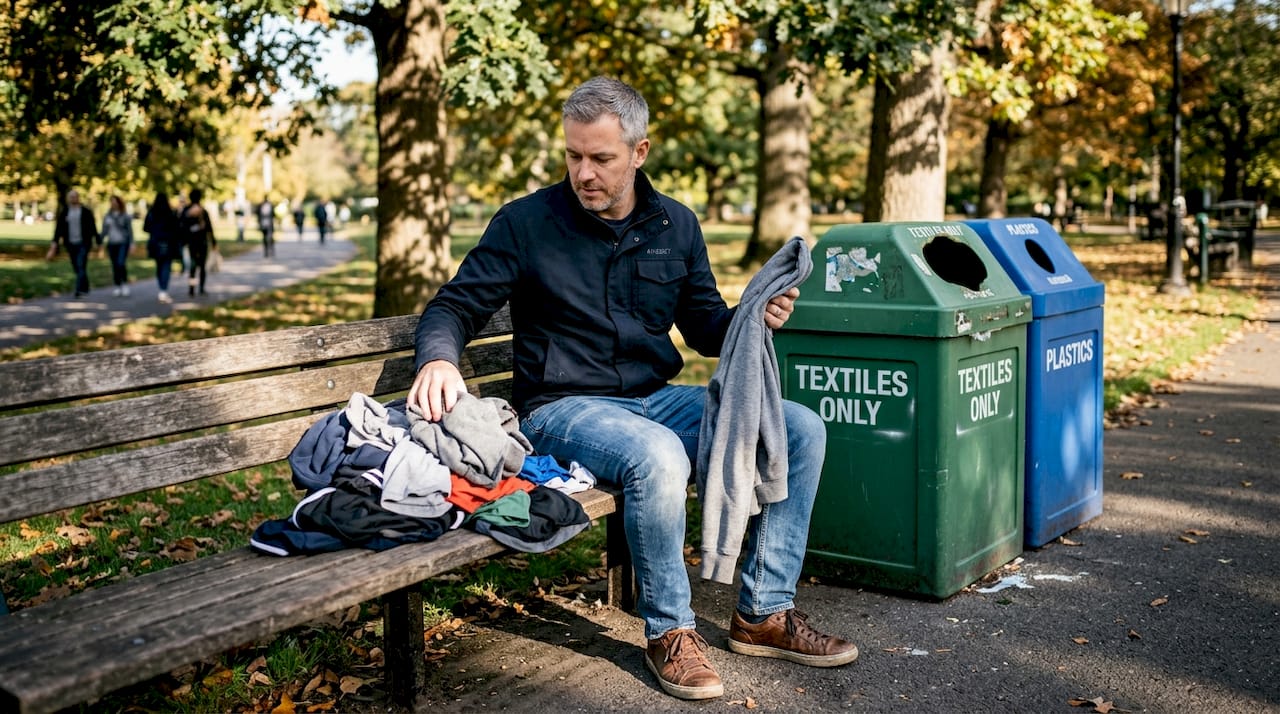
Circularity: upcycled collections and lifecycle programs. Take-back programs, repair services, and upcycled capsule collections are becoming standard offerings among leading sustainable labels. Building a conscious wardrobe increasingly means choosing brands that plan for a garment’s second and third life.
-
Durability and repairability as a core selling point. Brands are publishing wear-test data and offering repair kits or in-store mending services. A garment worn 200 times has a far smaller footprint than one worn 20 times, regardless of what it is made from. For active wear, explore eco-friendly sportswear options built to last.
“73% of Gen Z consumers say they are willing to pay more for products from ethical brands.” This is not a niche preference anymore. It is a market force reshaping entire product lines.
Pro Tip: When evaluating a brand’s circularity claim, ask specifically: does the take-back program actually recycle the garment, or does it just collect it? Many programs collect far more than they process.
How the top trends compare: What matters most for shoppers
It is easier to weigh these trends when you see them side by side. Each trend has real strengths, but also tradeoffs worth understanding before you commit your euros.
| Trend | Environmental impact | Ease of verification | Accessibility | Durability focus |
|---|---|---|---|---|
| Zero-waste design | Very high | Medium | Growing | Medium |
| Material innovation | High (natural fibers) | High (certifications) | Wide | Medium |
| Digital Product Passport | High (transparency) | Very high | Emerging | Low |
| Circularity programs | High (if well-run) | Low to medium | Limited | High |
| Durability and repair | Very high | Medium | Wide | Very high |
A few things stand out from this comparison. Durability and repair consistently deliver the highest real-world environmental benefit because they reduce total production volume. Zero-waste design is powerful but harder for shoppers to verify without brand disclosure. The DPP, once widely adopted, will become the easiest verification tool available.
Key takeaways from the comparison:
- Bio-fabrics are exciting but not yet scalable. Do not let innovative material claims substitute for proven certifications.
- Circularity programs vary wildly in quality. The EU textile recycling market is projected to exceed $20 billion by 2031, but infrastructure is still catching up with ambition.
- Fiber blends are a hidden problem. A garment that is 60% cotton and 40% polyester cannot be efficiently recycled by most current systems. Read the label carefully.
- Repairability is easy to verify: does the brand sell spare buttons, offer mending guides, or run repair workshops? These are concrete, checkable facts.
For a practical look at what happens after a garment’s first life, the guide on recycling sportswear shows how end-of-life planning works in practice. And for a frank look at why challenges in textile recycling persist despite good intentions, the infrastructure gap is the central issue.
Smart shopping strategies for 2026: Matching trends to your values
With pros and cons laid out, the next challenge is putting this all into action. The good news is that a few focused habits will take you much further than trying to follow every trend at once.
Start with a personal values audit. Are you most concerned about chemical use, labor conditions, carbon footprint, or end-of-life waste? Your answer should drive which criteria you prioritize. Someone focused on labor rights will weight supply chain transparency higher than material innovation. Someone focused on waste will prioritize zero-waste design and take-back programs.
Here is a practical checklist for any purchase:
- Does the garment carry a verifiable certification (GOTS, OEKO-TEX, EU Ecolabel)?
- Is the fiber content clearly listed and above 85% natural or recycled?
- Does the brand publish factory names or audit reports?
- Is there a DPP or equivalent traceability tool?
- Does the brand offer repair support or a take-back program?
- Is the price point consistent with fair labor costs? (Suspiciously cheap “sustainable” items are a warning sign.)
Be aware of two specific pitfalls. First, fiber blends hinder recyclability and durability is also shaped by how well a garment fits your body and lifestyle, not just its material. A perfectly sustainable coat you never wear is not sustainable. Second, watch for what researchers call “toxic circularity,” where poor chemical management in recycling streams creates new environmental problems. Resale is valuable but supplements rather than replaces the need for reduced new production.
For shoppers who want to align purchases with both personal values and EU standards, the principles of ethical apparel offer a solid framework. And if you are building or refreshing a wardrobe from scratch, the must-have sustainable outfits guide shows how to combine pieces that work together long-term.
Pro Tip: Resale platforms are a powerful tool, but check fiber content before buying secondhand too. A recycled-polyester blend from five years ago may not be recyclable today and could shed microplastics with every wash.
Our take: Why real sustainability means tough choices, not just new trends
Beyond individual buying tips, it is worth pausing for a bigger-picture reflection. The honest truth is that trend-following, even sustainable trend-following, can become its own form of overconsumption. Buying a new “circular” collection every season misses the point.
Real sustainability asks harder questions: Do you need this piece? Will you wear it 100 times? Does the brand’s transparency hold up when you dig past the marketing? Durability, verified transparency, and smarter purchasing decisions will always outperform labels and buzzwords.
We believe the most powerful thing a conscious shopper can do is demand verification, not just intention. Ask for the DPP. Request the audit report. Choose a timeless wardrobe over trends that needs replacing every year. Consumers who make these demands consistently are the ones actually driving change in the industry, not just participating in it.
Shop mindful: Explore sustainable pieces curated for real impact
The guidance in this article is only useful if it leads somewhere concrete. At M23, every piece in our collection is produced under verified ethical conditions in Berlin and Poland, using certified organic cotton and recycled nylon. We do not use vague green language. We publish our materials, our production partners, and our standards.
If you are ready to put these criteria to work, discover must-have sustainable outfits curated for longevity, not just the season. Whether you are starting fresh or filling specific gaps in a conscious wardrobe, our collection is built to meet the standards this article describes, not just claim them.
Frequently asked questions
What is the Digital Product Passport in sustainable clothing?
A Digital Product Passport is an online record that traces a garment’s materials, origin, and repair history. Under EU ESPR requirements, it will be mandatory for EU apparel from late 2026 onward.
Are recycled or natural fibers more sustainable in 2026?
Natural fibers are preferred for recyclability and ethical appeal, but high-quality recycled fibers are widely used and effective. As Source Fashion 2026 noted, avoid hard-to-recycle blends whenever possible.
How do I identify greenwashing in 2026 fashion labels?
Check for EU ecolabels, Digital Product Passports, and full materials disclosure. Verify that certifications are real by searching the issuing body’s public database, and confirm ESPR compliance standards are being met.
Is circular fashion better for the environment?
Circular fashion reduces waste but only works well with proper material management and recycling infrastructure. Without those, as research on toxic circularity shows, it may shift problems rather than solve them.