

The Role of Transparency in Fashion Explained
TL;DR:
- Transparency in fashion reveals supply chain details but does not automatically ensure ethical wages or environmental responsibility. Many brands disclose only superficial information, leaving deeper labor and environmental issues unaddressed, despite claims of transparency. Digital Product Passports and specific disclosures enable consumers to evaluate actual supply chain ethics and support meaningful sustainability progress.
Most shoppers assume that when a brand publishes a supplier list, the workers making their clothes are treated fairly. That assumption is wrong. The role of transparency in fashion is genuinely significant, but it is also routinely misunderstood. Transparency creates visibility into supply chains, yes. But visibility alone does not guarantee ethical wages, clean production, or honest environmental claims. This article breaks down what fashion transparency actually means, where it falls short, what new technology is changing, and how you can use this knowledge to shop with real conviction.
Table of Contents
- Key Takeaways
- The role of transparency in fashion and why it matters
- Where fashion transparency falls short
- Digital Product Passports and new regulations
- How to use transparency information as a consumer
- How transparency connects to real-world sustainability outcomes
- My take on what transparency actually demands
- Explore ethical fashion at M23
- FAQ
Key Takeaways
| Point | Details |
|---|---|
| Transparency ≠ ethical practice | Publishing supplier lists does not mean workers earn living wages or that labor conditions are fair. |
| Tier-two gaps are severe | Only 12% of major brands disclose processing facilities beyond their direct suppliers. |
| Digital Product Passports are coming | EU regulations will make machine-readable product histories mandatory for textiles by 2028. |
| Greenwashing is widespread | Many brands use transparency as a marketing tool rather than an accountability mechanism. |
| Consumers hold real leverage | Demanding verified, specific disclosures pushes brands toward genuine ethical commitments. |
The role of transparency in fashion and why it matters
Transparency in fashion means disclosing the stages of a garment’s journey from raw material to finished product. That includes naming factories, describing labor conditions, reporting environmental impact, and explaining what materials were used and how they were sourced. It sounds straightforward. In practice, it is anything but.
When a brand is transparent, you can trace where your sweater was knit, dyed, and assembled. You can see whether the cotton was grown with pesticides. You can read whether the workers at a specific factory earn above a poverty wage. That kind of disclosure builds genuine brand trust. It shifts the power dynamic from one where corporations hold all the information to one where consumers can make informed choices.
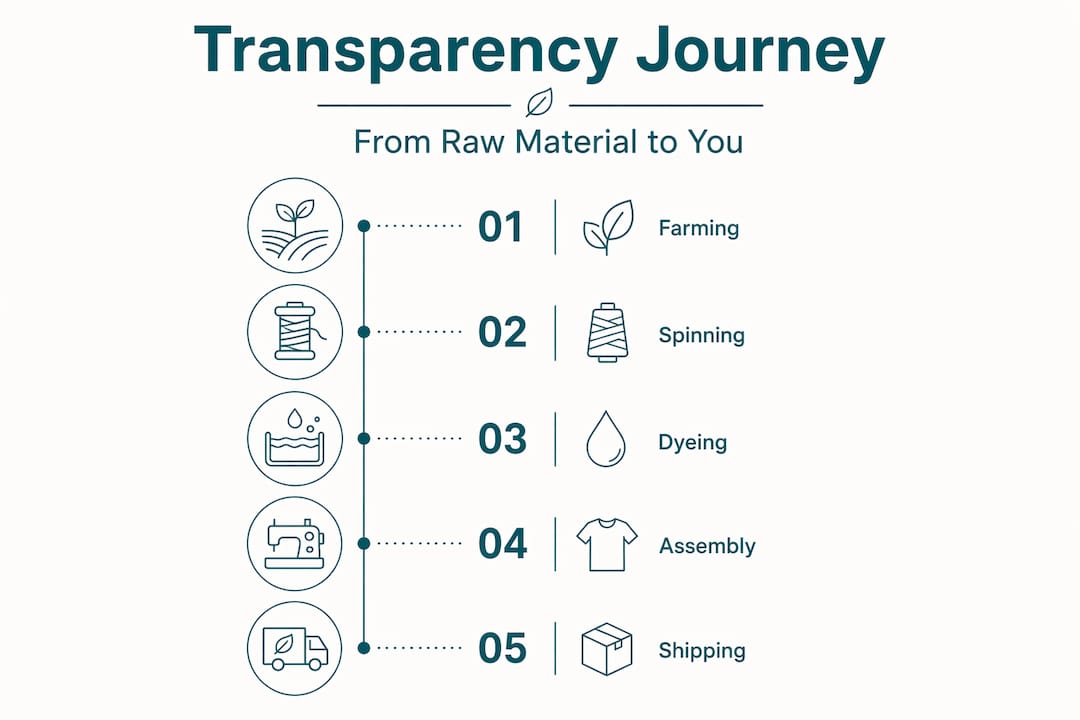
Here is why this matters so much right now. Fashion is one of the most resource-intensive industries on the planet, and its supply chains span dozens of countries. Without disclosure, workers in those chains have no public pressure protecting them, and consumers have no way to distinguish responsible brands from irresponsible ones. Transparency is the foundation that makes accountability possible.
What transparency enables at the consumer level:
- Comparing brands based on verified, specific claims rather than vague marketing language
- Identifying which companies disclose wages, factory names, and environmental data
- Supporting sustainable sourcing practices by spending with brands that publish meaningful information
- Spotting the difference between token disclosure and genuine commitment
Pro Tip: Look for brands that name specific factory locations AND share audit results or third-party certifications. A supplier list alone tells you almost nothing about actual conditions.
Where fashion transparency falls short
Here is the uncomfortable reality. A brand can be fully “transparent” by current industry standards and still fail the workers making its clothes on a fundamental level.
52% of the 250 largest global fashion brands publish tier-one supplier lists, meaning they name the factories that assemble their finished garments. But only 12% disclose their tier-two facilities: the spinning mills, fabric processors, and dyeing operations further back in the supply chain. Those deeper tiers are where the most serious labor and environmental abuses typically occur. They are also where most brands have the least visibility.
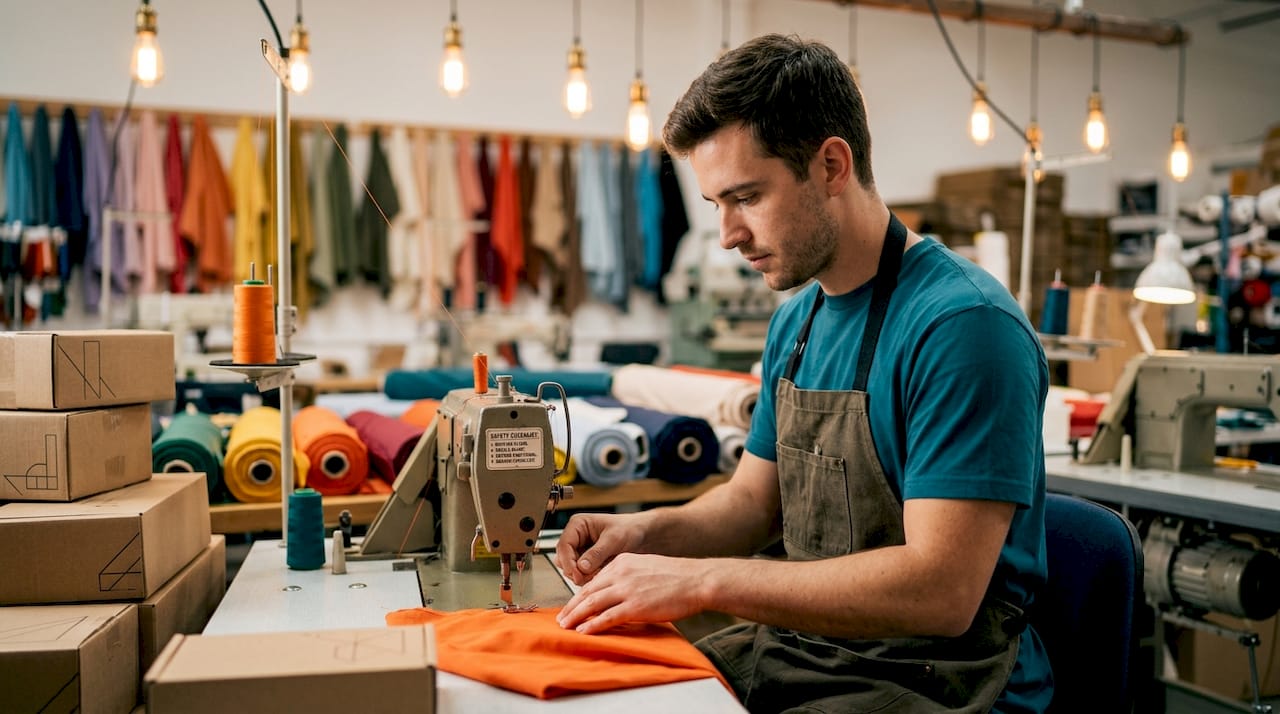
The wage gap is even more striking. Despite years of public transparency pledges and growing consumer pressure, 97% of major global brands surveyed still pay less than a living wage to supply chain workers. Publishing a supplier list has not changed that.
| Transparency metric | Current industry status |
|---|---|
| Tier-one supplier disclosure | 52% of top 250 brands publish factory names |
| Tier-two disclosure | Only 12% disclose processing facilities |
| Living wage compliance | 97% of brands fall short despite transparency pledges |
| Climate and energy disclosure | Average transparency score of just 14% among major brands |
| Executive pay tied to emissions | Only 15% of brands link bonuses to absolute emissions cuts |
“Transparency is more than disclosure. It is a critical strategic asset for ethical brands to build trust and mitigate risk.” Traceability and Transparency as Strategic Imperatives in Fashion Luxury
A separate issue is audit fatigue. Many large brands collect enormous volumes of supplier data across hundreds of factories, and that data becomes difficult to analyze meaningfully. The OECD’s 2026 due diligence report found that brands often struggle with over-collecting data, which leads to reports that are long, legally cautious, and practically useless for workers or consumers. The recommended approach: focus on “choke points,” the critical nodes in a supply chain where risk is highest, rather than trying to document everything equally.
Digital Product Passports and new regulations
Technology is about to change the game, and if you care about fashion supply chain ethics, you need to understand what is coming.
-
Digital Product Passports (DPPs) defined. A DPP is a machine-readable product record attached to a physical item, typically via a QR code. It contains verified, updateable information about a garment’s materials, production methods, carbon footprint, repairability, and end-of-life options. Unlike a static label, it can be updated as a product moves through different stages of use.
-
EU mandate incoming. Textile DPPs will be mandatory in the EU by 2028, under the Ecodesign for Sustainable Products Regulation (ESPR), with delegated acts expected in 2027. Any brand selling into the EU market will need to comply.
-
What they enable. According to research on DPPs in fashion, these passports transform garments into carriers of reliable, verifiable product histories, supporting repair, resale, and recycling. That makes them a genuine tool for the circular economy, not just a compliance checkbox.
-
The competitive split. DPPs are a significant advantage for premium and ethical brands that already invest in verified supply chain data. For fast fashion brands built on opacity and volume, the compliance cost is high and the reputational exposure is real.
| Brand type | DPP opportunity | DPP challenge |
|---|---|---|
| Premium and ethical brands | Proves verified sustainability claims, justifies pricing | Requires consistent data collection across suppliers |
| Fast fashion brands | Potential to improve credibility with consumers | Exposes supply chain gaps; high cost to retrofit systems |
| Small sustainable labels | Builds trust without large marketing budgets | Resource-intensive to implement at small scale |
Pro Tip: When shopping for ethical clothing today, ask whether a brand’s sustainability claims are third-party verified. DPPs are not here yet for most products, but certifications like GOTS or Fair Trade function as precursors to that kind of auditable accountability.
How to use transparency information as a consumer
Understanding what fashion industry transparency means in theory is one thing. Knowing how to actually use it when you are standing in a store or browsing online is another. Here is how to put your consumer awareness in fashion to work.
The first thing to recognize is that transparency claims come in very different levels of quality. “We care about the environment” is not transparency. A specific list of named factories with audit dates and worker wage data is. You need to know the difference before you can use the information at all.
What to look for when evaluating a brand’s transparency:
- Named factories with country and city, not just “made in [country]”
- Published audit results or third-party certifications, not just self-reported claims
- Material origin information: where was the cotton grown, how was the fabric processed
- Wage disclosure, even if approximate, showing whether workers earn above the local minimum wage
- Environmental data including water use, chemical management, and carbon output
Greenwashing is the biggest trap. A brand can use green imagery, sustainability language, and even transparency reports while still sourcing from exploitative factories. The key is specificity. Vague claims without verifiable data are a warning sign, not a green light. Resources like the ethical sourcing guide at M23 are useful for understanding what genuine sourcing disclosures actually look like in practice.
Pro Tip: Before buying from a brand for the first time, spend two minutes searching “[brand name] transparency report” or “[brand name] supplier list.” If nothing comes up, or what comes up is a glossy PDF with no specific data, that tells you something important.
Consumers who consistently ask for this kind of specificity are doing more than protecting themselves from greenwashing. They are sending a market signal that drives brands to improve disclosures across the industry.
How transparency connects to real-world sustainability outcomes
Transparency is a foundational step, but it is not a finish line. That distinction is worth sitting with.
When brands disclose supply chain data, it creates the conditions for accountability. Workers can use that information to organize. Regulators can use it to enforce labor and environmental law. Consumers can use it to reward good actors and avoid bad ones. None of that happens without disclosure as a starting point. But disclosure does not automatically produce the outcomes. It just makes them possible.
Traceability, when it is done well, does support tangible improvements. Only 24% of global companies can trace their supply chains beyond direct suppliers, which means most brands are flying blind on the environmental and labor conditions they are technically responsible for. Brands that invest in genuine traceability are better positioned to identify problems, respond to NGO scrutiny, and comply with incoming regulations like ESPR.
“Transparency used strategically, rather than as compliance paperwork, genuinely builds brand trust and supports premium pricing.” Traceability and Transparency as Strategic Imperatives in Fashion Luxury
The gaps that remain are serious. Living wage enforcement is almost entirely absent from current transparency frameworks. Climate accountability is thin, with most brands showing no structural link between executive compensation and actual emissions reductions. Those are the next frontiers in fashion industry transparency, and consumers who understand them are better equipped to demand more.
My take on what transparency actually demands
I’ve spent years looking at what ethical fashion claims mean versus what they deliver. And what I’ve learned is that transparency has a double identity. For some brands, it’s a genuine accountability mechanism. For most, it functions as marketing collateral.
The numbers make this impossible to ignore. When 97% of major brands can publish supplier lists while failing to pay living wages, transparency has clearly been decoupled from ethical outcomes. The disclosure is real. The accountability is not.
What I’ve found actually works is the risk-based approach the OECD describes: focus attention on the specific parts of the supply chain where harm is most likely, instead of collecting data for its own sake. That means fewer audits and more meaningful ones. Less data noise and more specific accountability.
Digital Product Passports genuinely excite me because they are the first mechanism that could make transparency verifiable at the point of purchase. Right now, you cannot stand in a store and check whether a brand’s sustainability claims hold up. DPPs would change that. But only if brands embrace them honestly, rather than treating the QR code as another layer of marketing. Consumer pressure will determine which way that goes. The brands that understand transparency as a strategic competitive asset rather than a legal obligation will be the ones worth supporting.
— M23
Explore ethical fashion at M23
If this article has shifted how you think about what brands actually owe you in terms of honesty, M23 is a good next place to go. M23 produces clothing in Berlin and Poland with certified organic and recycled materials, and its commitment to transparency is specific, not decorative.
You can read more about the principles behind ethical and sustainable clothing choices through M23’s sustainable fashion guide and explore the full range of women’s, men’s, and children’s apparel designed with traceability and fair labor in mind. For a deeper look at how green family wardrobes come together, the M23 piece on environmentally conscious design is worth reading.
FAQ
What does transparency mean in fashion?
Transparency in fashion means brands disclose specific information about their supply chains, including factory names, labor conditions, material origins, and environmental impact. It is the foundation of consumer awareness in fashion and a prerequisite for genuine accountability.
Why do brands publish transparency reports but still have ethical problems?
Publishing supplier lists and transparency reports does not enforce ethical standards. Research shows that 97% of major brands fail to pay living wages despite disclosure, because transparency without binding accountability mechanisms does not guarantee change.
What is a Digital Product Passport and when does it apply to fashion?
A Digital Product Passport is a machine-readable, updateable product record attached to a garment via QR code. EU regulations require textile DPPs for products sold in European markets by 2028 under the Ecodesign for Sustainable Products Regulation.
How can I tell if a brand’s transparency claims are genuine?
Look for specificity: named factories, published audit results, third-party certifications, and wage data. Vague sustainability language with no verifiable details is a strong indicator of greenwashing rather than real supply chain ethics.
Does fashion transparency actually improve sustainability outcomes?
Transparency creates the conditions for improvement but does not guarantee it. Brands with genuine traceability are better positioned to identify supply chain risks, respond to regulatory scrutiny, and support circular economy practices, but living wage enforcement and climate accountability remain largely unresolved.